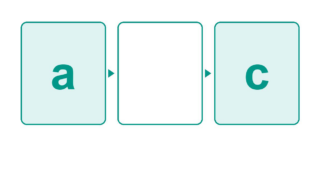
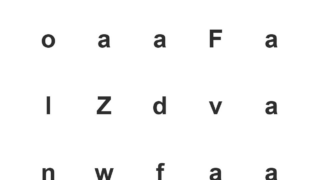
These free printable vowels and consonants worksheets ask kindergarten children to sort eighty letters. Each page shows eight letters, and the child marks each one as a vowel or a consonant.
There is one fact to know and one list to learn: a, e, i, o and u are vowels, and every other letter is a consonant. No sounding out, no exceptions to argue about, no y-is-sometimes-a-vowel complication – the letter y does not appear anywhere in this pack.
Pages 1 to 4 use capitals, pages 5 to 7 use small letters, and pages 8 to 10 mix the two.
- What Is in This Free Vowels and Consonants Worksheet Pack
- The 11 Vowels and Consonants Worksheets
- Worksheet 1 – K, B, E, A, T, U, G, Z
- Worksheet 2 – I, A, R, G, O, Q, S, M
- Worksheet 3 – S, U, L, O, P, N, K, A
- Worksheet 4 – M, E, L, P, I, F, U, C
- Worksheet 5 – q, c, d, g, u, i, k, a
- Worksheet 6 – u, l, e, p, t, r, h, o
- Worksheet 7 – x, e, i, v, a, t, g, w
- Worksheet 8 – o, k, H, p, W, V, u, A
- Worksheet 9 – R, d, U, m, E, F, O, B
- Worksheet 10 – r, L, K, s, J, e, U, o
- Answer Key – All 80 Letters
- Why y Is Missing, and Why That Is the Right Choice
- When Children Are Ready for Vowels and Consonants
- How to Use These Worksheets
- Three Things to Watch For
- Printing Tips
- Frequently Asked Questions
- More Free Alphabet and Phonics Worksheets
What Is in This Free Vowels and Consonants Worksheet Pack
- Ten printable worksheets with eight letters on each – eighty letters in all.
- Exactly three vowels and five consonants on every single page.
- Capitals on pages 1 to 4, small letters on pages 5 to 7, both mixed on pages 8 to 10.
- Twenty-five of the twenty-six letters appear. Only y is left out.
- An eleventh page marking every letter as V or C.
- A separate PDF for every page, free to download and print.
The 11 Vowels and Consonants Worksheets
Three vowels and five consonants, on all ten pages. We counted every letter in the pack: thirty vowels and fifty consonants, split three and five on each sheet without exception.
That is worth telling a child before they start. It turns the page into something they can check: three vowels found and no more, or something has gone wrong. A worksheet that can be checked by the person doing it is worth two that cannot.
Worksheet 1 – K, B, E, A, T, U, G, Z
The eight letters on this page are K, B, E, A, T, U, G, Z.
Capital letters, and the three vowels are E, A and U. Z closes the page – a letter children are sure about, which is a good way to end a first sheet.
Every page in this pack holds exactly three vowels and five consonants. Nothing says so on the sheet, but it is true of all ten pages, and it means a child who has circled four vowels has made a mistake they can find themselves.

Worksheet 2 – I, A, R, G, O, Q, S, M
The eight letters on this page are I, A, R, G, O, Q, S, M.
I, A and O are the vowels. Q sits in the middle of the page, and Q is the letter children most often guess at.
Q is a consonant, and the only thing to do with it is know it.

Worksheet 3 – S, U, L, O, P, N, K, A
The eight letters on this page are S, U, L, O, P, N, K, A.
U, O and A. This page has the three vowels spread far apart, which makes it harder than page 2 where two of them sat together.
S, L, P, N and K are the consonants: five letters a child meets constantly in words.

Worksheet 4 – M, E, L, P, I, F, U, C
The eight letters on this page are M, E, L, P, I, F, U, C.
E, I and U, and a C at the end. C is a consonant that sounds like the letter S in half the words a child knows, which confuses some children into calling it a vowel.
Sound has nothing to do with it here. Vowels are a fixed list of five letters, and this pack is about knowing the list.

Worksheet 5 – q, c, d, g, u, i, k, a
The eight letters on this page are q, c, d, g, u, i, k, a.
Small letters from here to page 7. The vowels are u, i and a, and q opens the page.
Lowercase q and g sit next to each other in shape as well as in this pack. Neither is a vowel and both are worth a second look.

Worksheet 6 – u, l, e, p, t, r, h, o
The eight letters on this page are u, l, e, p, t, r, h, o.
u, e and o, with l and r among the consonants. Lowercase l is a single stroke and is easily read as a capital I, which is a different letter with a different answer.
If a child hesitates on l, it is probably the shape rather than the rule.

Worksheet 7 – x, e, i, v, a, t, g, w
The eight letters on this page are x, e, i, v, a, t, g, w.
e, i and a again, with x, v and w in the consonants. The end of the alphabet is where children are least certain of anything.
x is a consonant, and it is the letter most often left unmarked on a page like this.

Worksheet 8 – o, k, H, p, W, V, u, A
The eight letters on this page are o, k, H, p, W, V, u, A.
Capitals and small letters mixed for the first time. o, u and A are the vowels, and the A is a capital while the other two are not.
The rule does not change with the case, and saying that out loud once saves a lot of confusion.

Worksheet 9 – R, d, U, m, E, F, O, B
The eight letters on this page are R, d, U, m, E, F, O, B.
U, E and O as capitals, with R, d, m, F and B around them. Mixed cases again.
By this page a child should be answering without hesitating. If they are not, the trouble is the letters rather than the vowels.

Worksheet 10 – r, L, K, s, J, e, U, o
The eight letters on this page are r, L, K, s, J, e, U, o.
The last page: e, U and o are the vowels, and J, K, L, r and s are the consonants.
A page that finishes on three vowels from three different parts of the alphabet, in three different cases and sizes.

Answer Key – All 80 Letters
The eleventh sheet marks every letter in the pack as V or C, eight to a page.
It is also the quickest way to settle an argument about a letter, which on this topic is usually about y – and y is not in the pack at all.

Why y Is Missing, and Why That Is the Right Choice
The letter y is the one every child eventually asks about. It behaves as a vowel in my, happy and fly, and as a consonant in yes and yellow. Both answers are defensible, which makes it a terrible letter to put on a sorting worksheet.
This pack leaves it out entirely. Twenty-five letters appear across the eighty items and y is the only one missing. Every question in the pack therefore has one answer that nobody can argue with, which is exactly what a five-year-old needs while the list of five vowels is still being learned.
Save y for later, once a, e, i, o and u are automatic. It is a genuinely interesting letter and a bad place to start.
When Children Are Ready for Vowels and Consonants
- Age: about five to six – kindergarten, once most letters can be named on sight.
- Before starting: the child should recognize both capital and small letters. Nothing has to be written except a mark.
- RF.K.1.D – recognize and name all upper- and lowercase letters of the alphabet.
- RF.K.3.B – associate the long and short sounds with the five major vowels. Knowing which letters those five are comes first.
- This is the piece of knowledge that makes word families and CVC words make sense afterwards.
How to Use These Worksheets
- Say the five vowels together before the first page: a, e, i, o, u. Say them the same way every time.
- Tell the child there are three vowels on every page. It turns the sheet into something they can check.
- Work through the letters in order rather than hunting for the vowels first. Hunting means the consonants never get looked at.
- Keep the capital pages and the small-letter pages apart at first. Pages 8 to 10 mix them, and that is the test.
- When a child hesitates, ask whether the letter is in the list of five. It is a list, not a sound.
- Check against page 11 at the end.
Three Things to Watch For
1. Sorting by sound. A child who says c is a vowel because it sounds like see has done something reasonable and wrong. Vowels are five particular letters, and the rule has nothing to do with how a letter sounds in isolation.
2. Lowercase l and capital I. In most typefaces these are the same vertical stroke, and this one is no exception. Both are consonants here, so the answer does not change – but a child who is unsure of the letter will be unsure of the answer.
3. Finding three vowels and stopping. Once a child knows there are three per page, some will find them and leave the consonants unmarked. Ask for all eight letters to be marked, in order.
Printing Tips
- Print at 100 percent, actual size, on A4 or US Letter.
- Black and white throughout – nothing on these pages uses color.
- Print pages 8 to 10 separately and keep them back. Mixed cases make a good check a week after the rest.
Frequently Asked Questions
What age are these vowels and consonants worksheets for?
About five to six years old. A child needs to recognize letters; nothing has to be written except a mark.
Is y a vowel or a consonant?
Both, depending on the word – which is why y does not appear anywhere in this pack. Every other letter of the alphabet does.
How many vowels are on each page?
Three, on all ten pages, with five consonants. Telling a child that turns the sheet into something they can check themselves.
Are capital and small letters both covered?
Yes. Pages 1 to 4 are capitals, pages 5 to 7 are small letters, and pages 8 to 10 mix the two.
Is there an answer key?
Yes, page 11 marks all eighty letters as V or C.
Do I need to sign up to download these?
No. Every PDF downloads immediately, with no account, no email address and no cost.
Can I use these in my classroom?
Yes, they are free to print for home and classroom use. Please do not sell them or re-host the files elsewhere.
More Free Alphabet and Phonics Worksheets
- Free Vowels Worksheets for Kindergarten – Circle the Vowels (A, E, I, O, U)
- Free Letter Before and After Worksheets for Kindergarten – Alphabet Order
- Free Uppercase and Lowercase Letters Worksheets – Match the Letters
- Free Middle Sounds Worksheets for Kindergarten – Short Vowels
- Free CVC Word Building Worksheets for Kindergarten – Make Three Letter Words
- Free Word Family Worksheets for Kindergarten – CVC Words and Phonics