


- Free Doubles Worksheets for Kindergarten – Doubles Addition Facts to 20
- Doubles facts: the ones worth knowing by heart
- What your child is actually learning
- How to work through these pages
- The mistakes to expect
- What to teach next
- Questions parents ask
- Why teach doubles separately rather than just practising all the facts?
- How far should doubles go?
- My child knows doubles but not the near doubles. What now?
- More free worksheets
Free Doubles Worksheets for Kindergarten – Doubles Addition Facts to 20
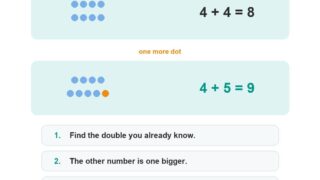
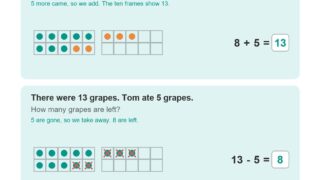
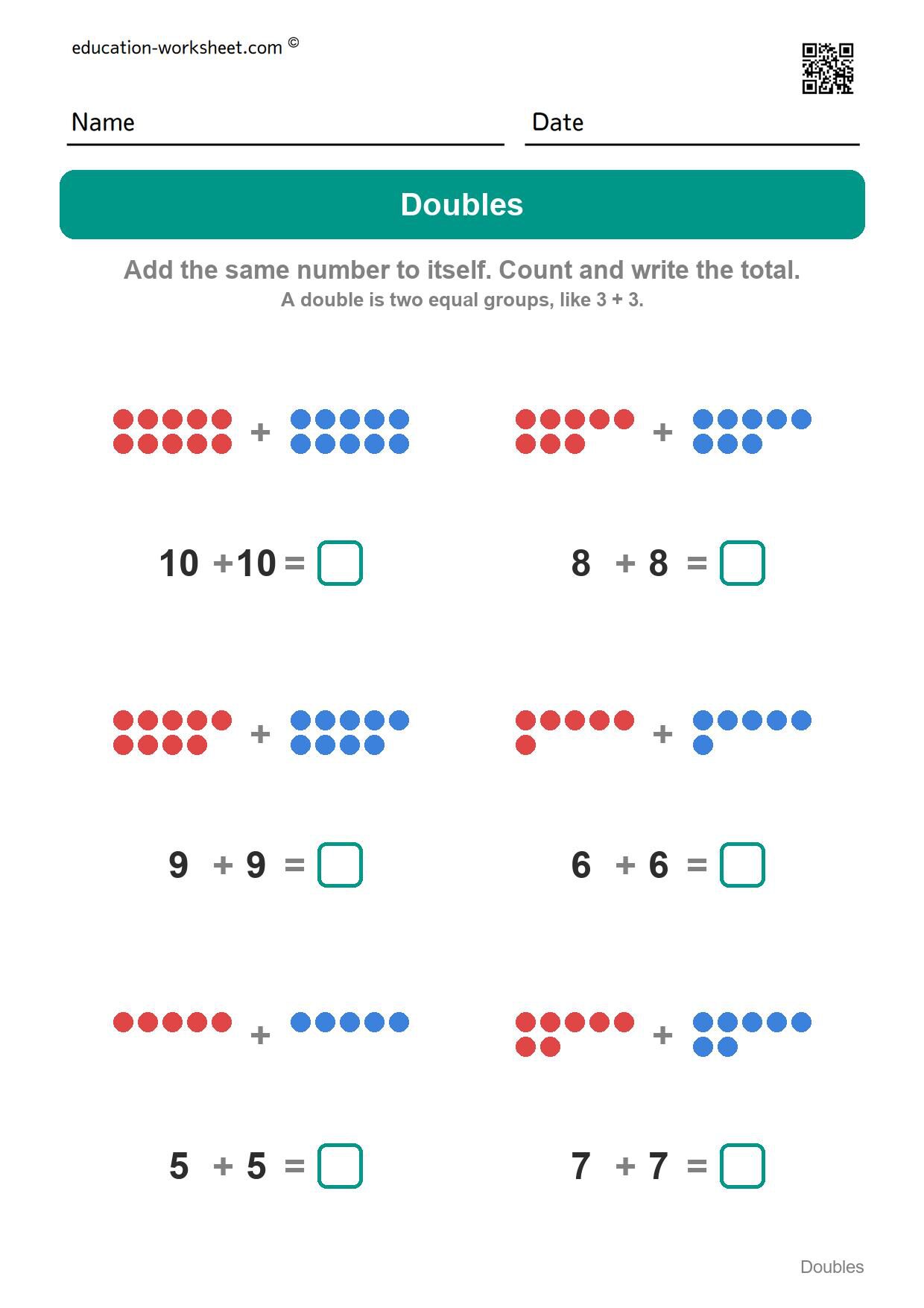
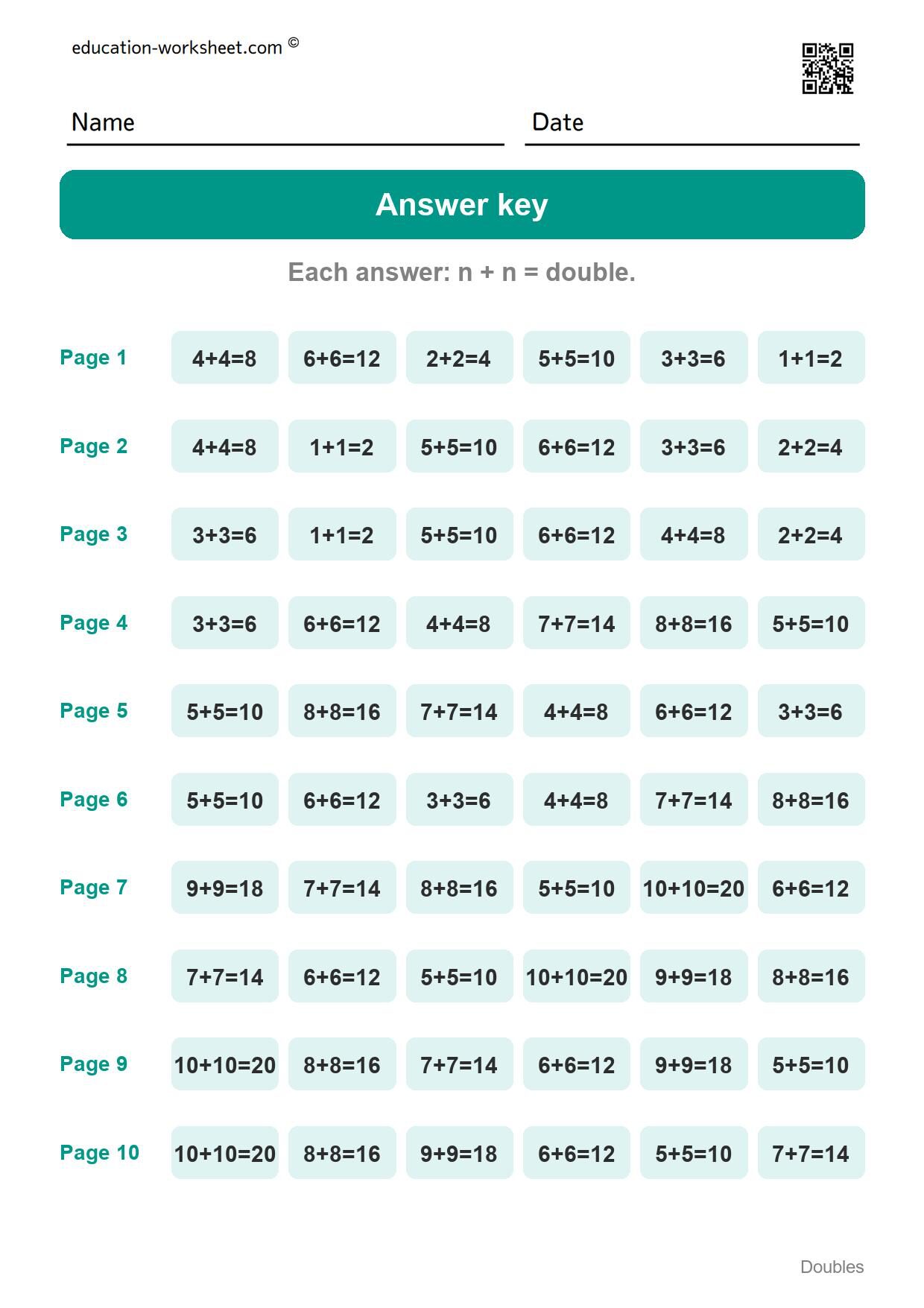
These free printable doubles worksheets help kindergarten and first grade children learn the doubles addition facts. A double is when you add a number to itself, like 3 + 3 or 5 + 5. Each problem shows two equal groups of dots, and kids count them and write the total in the box. The first pages use small doubles and the later pages go up to 10 + 10, which makes 20. Learning doubles by heart is a big help for quick adding and for near-doubles like 3 + 4. The final page is an answer key. Just download, print, and double it!
Doubles addition (Set 1)
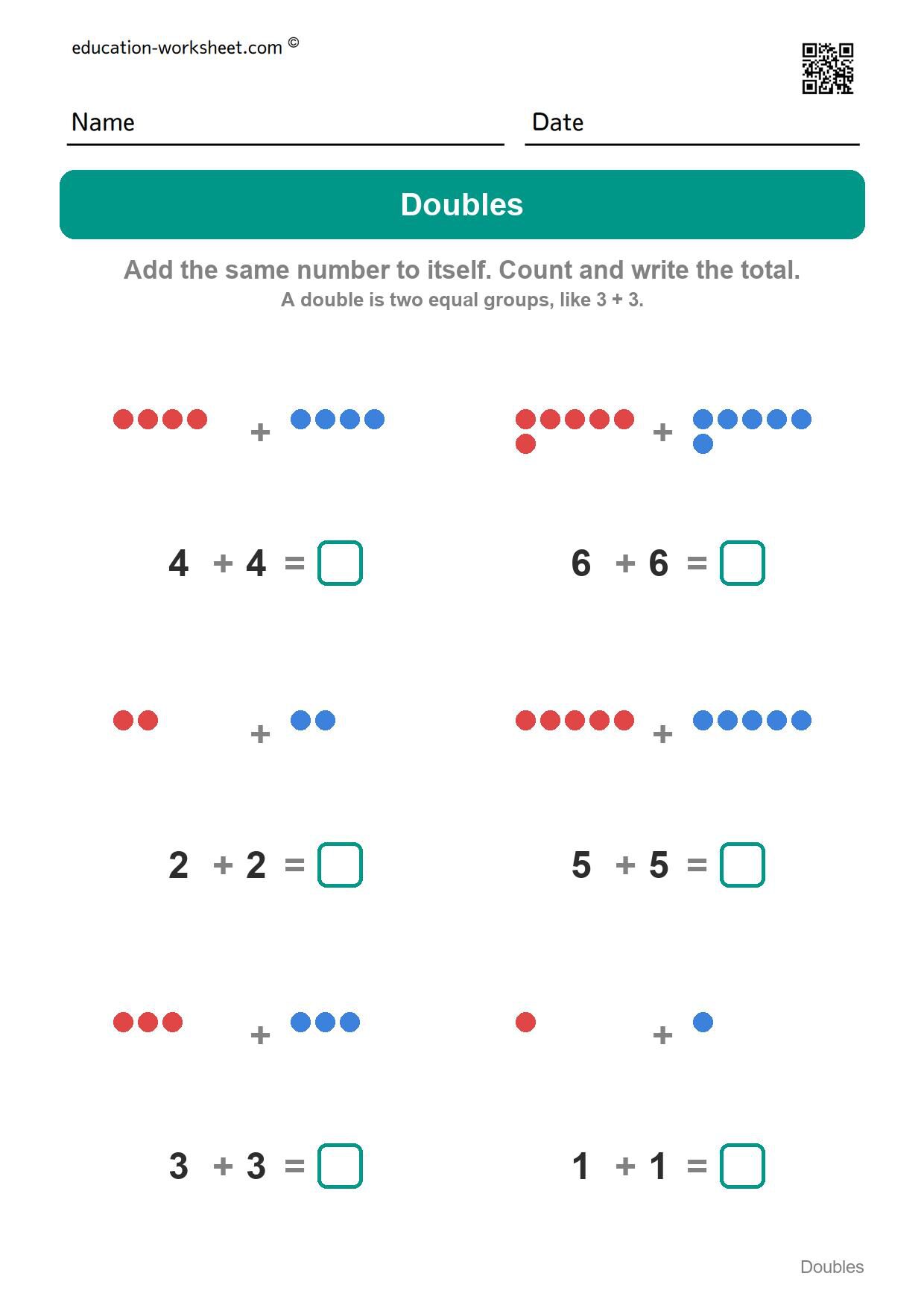
Doubles addition (Set 2)
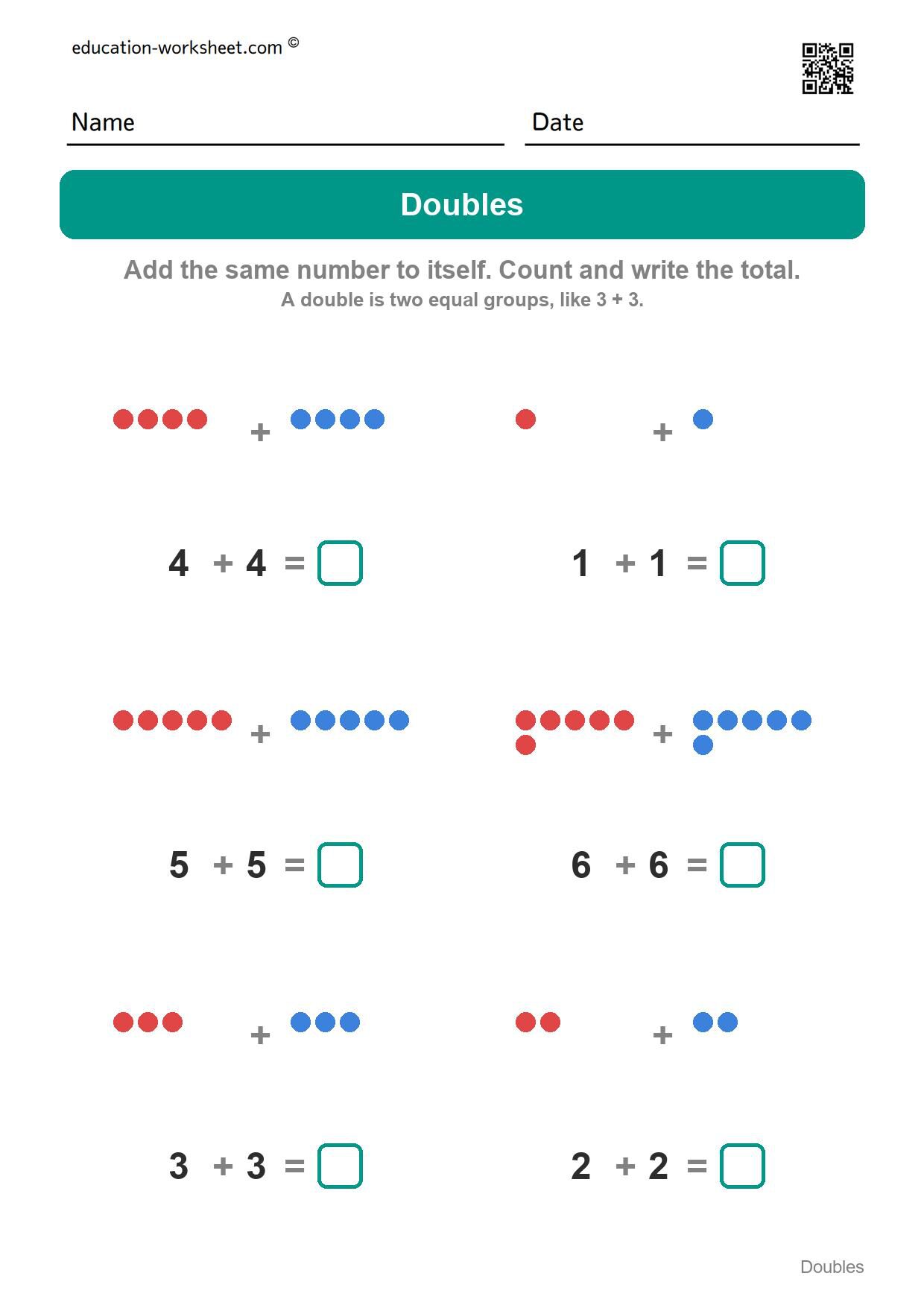
Doubles addition (Set 3)
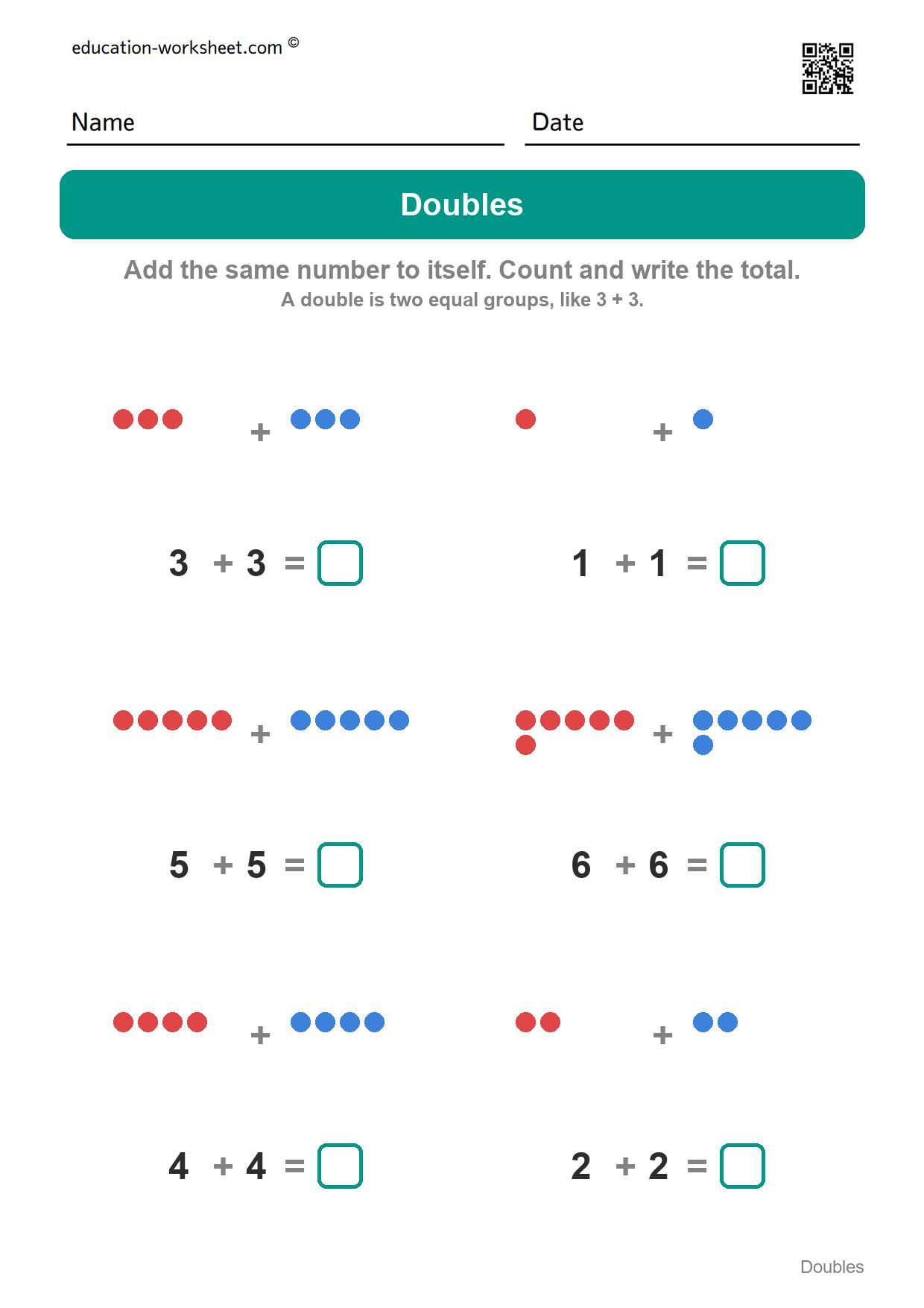
Doubles addition (Set 4)
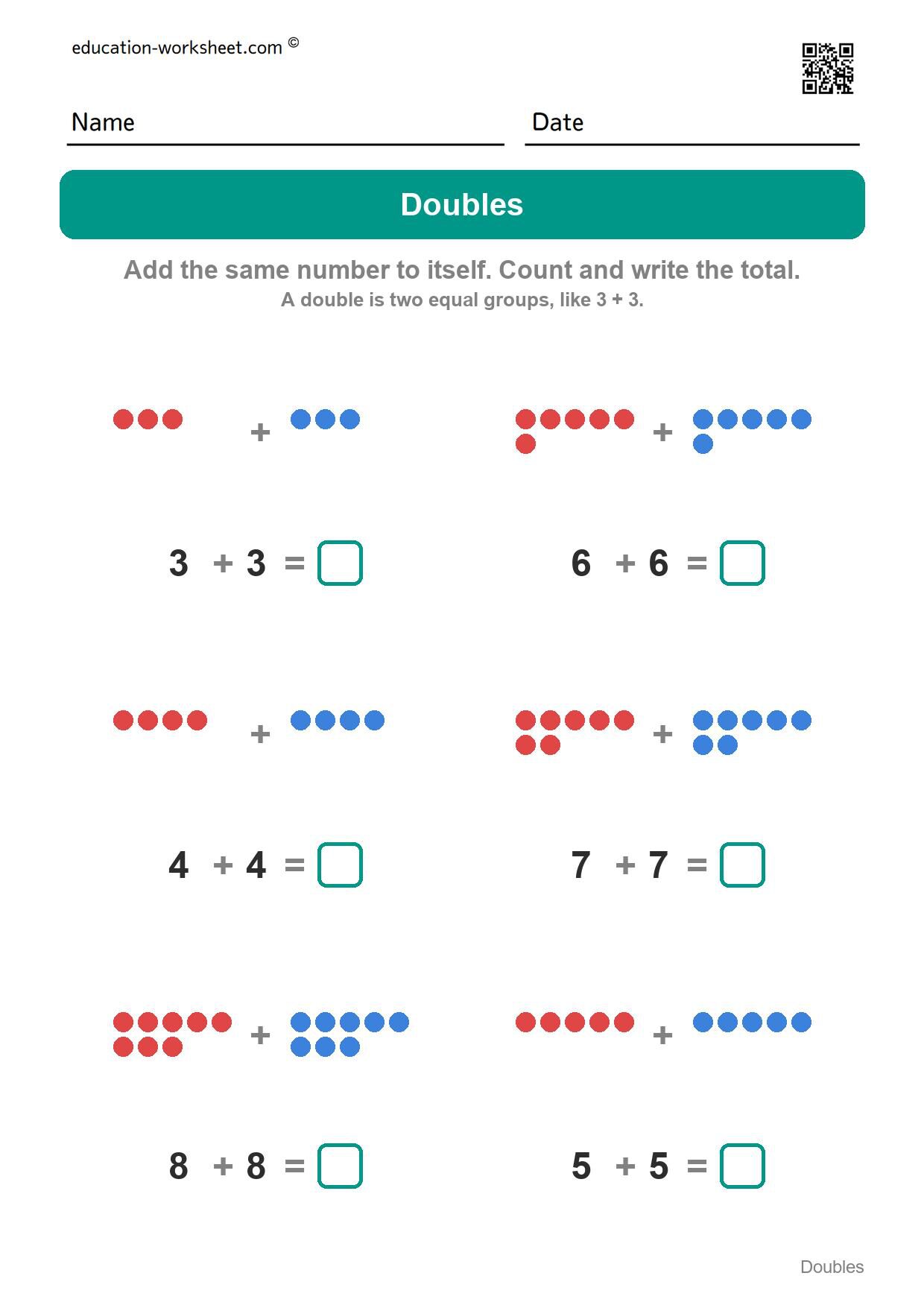
Doubles addition (Set 5)
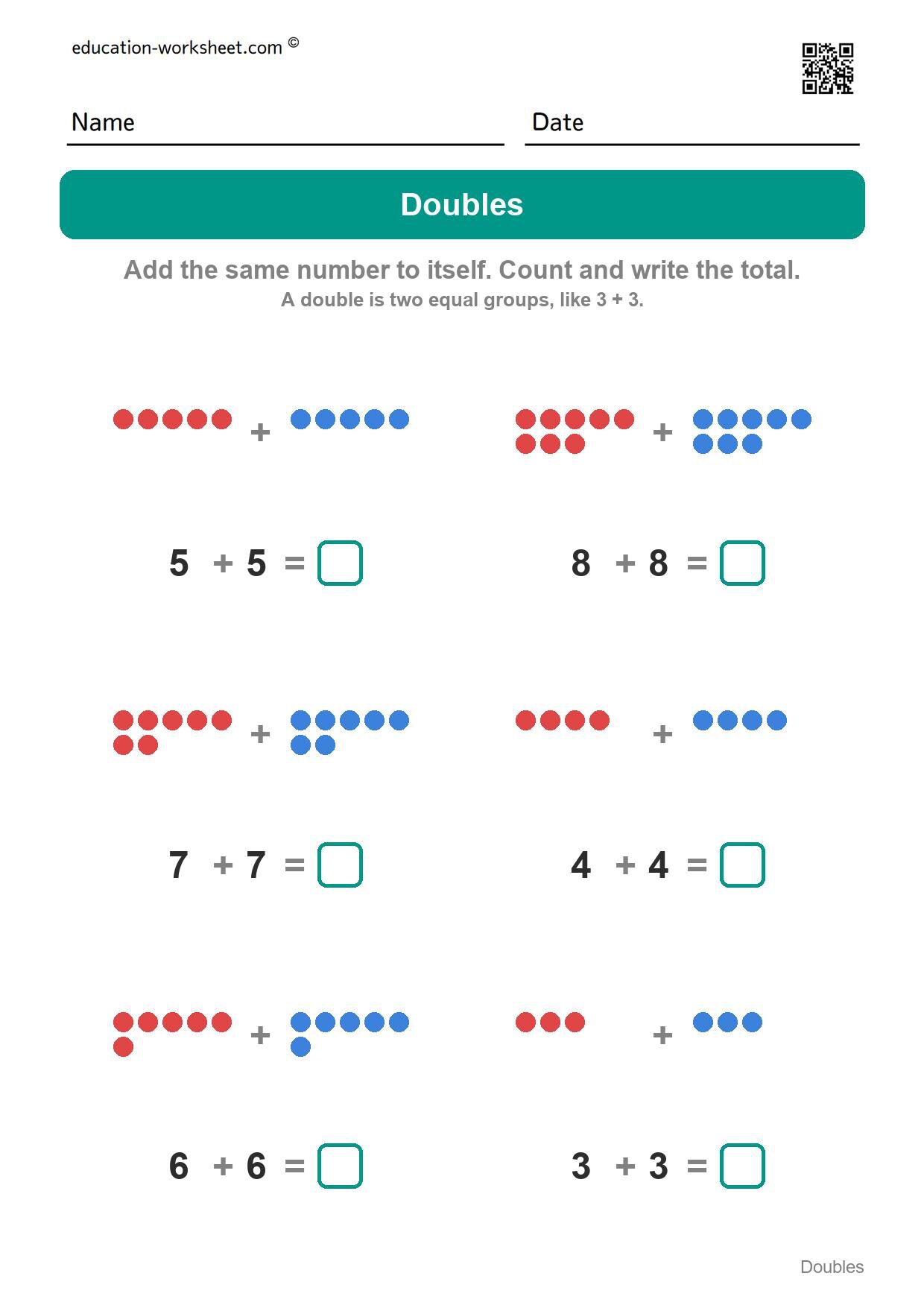
Doubles addition (Set 6)
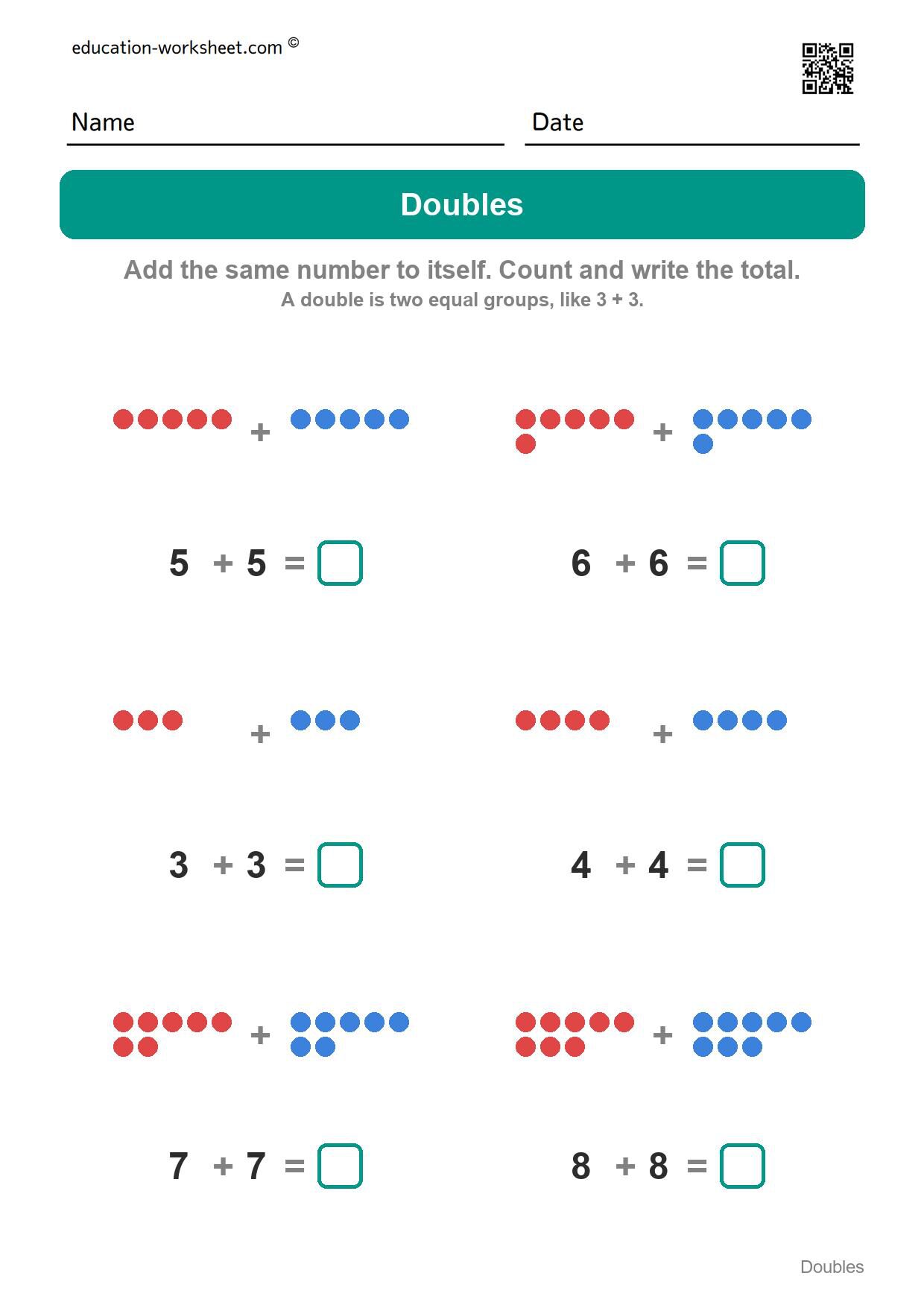
Doubles addition (Set 7)
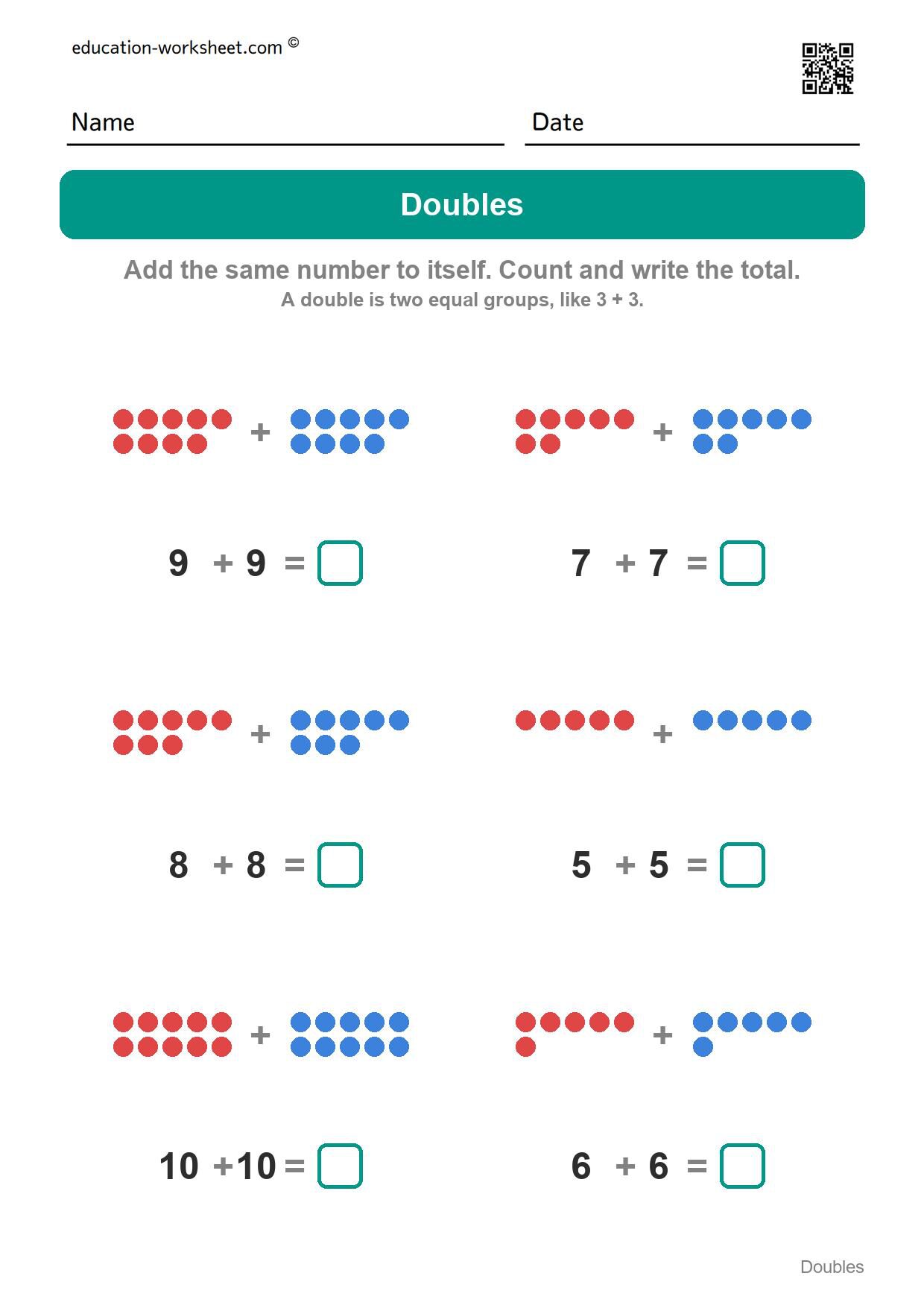
Doubles addition (Set 8)
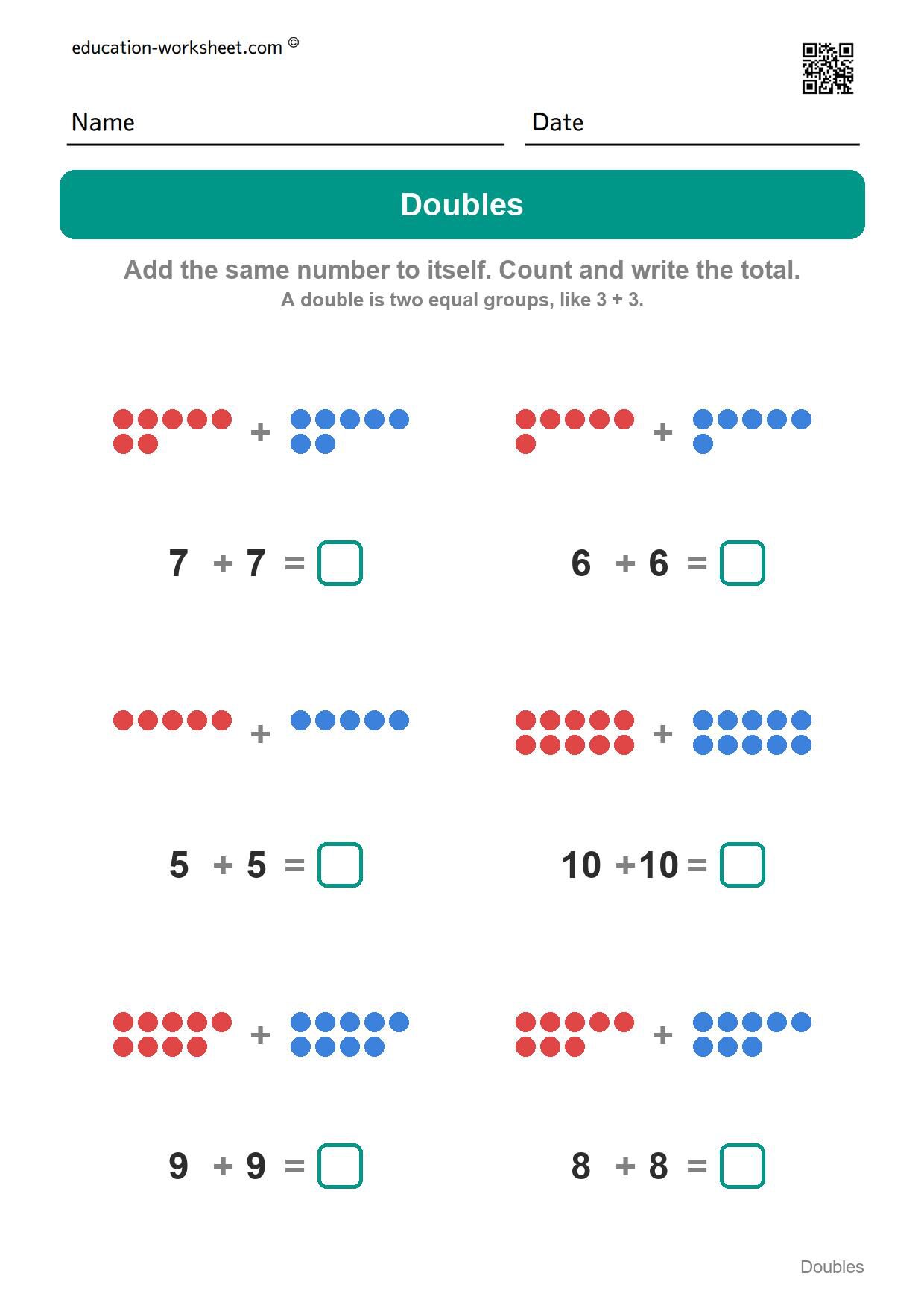
Doubles addition (Set 9)
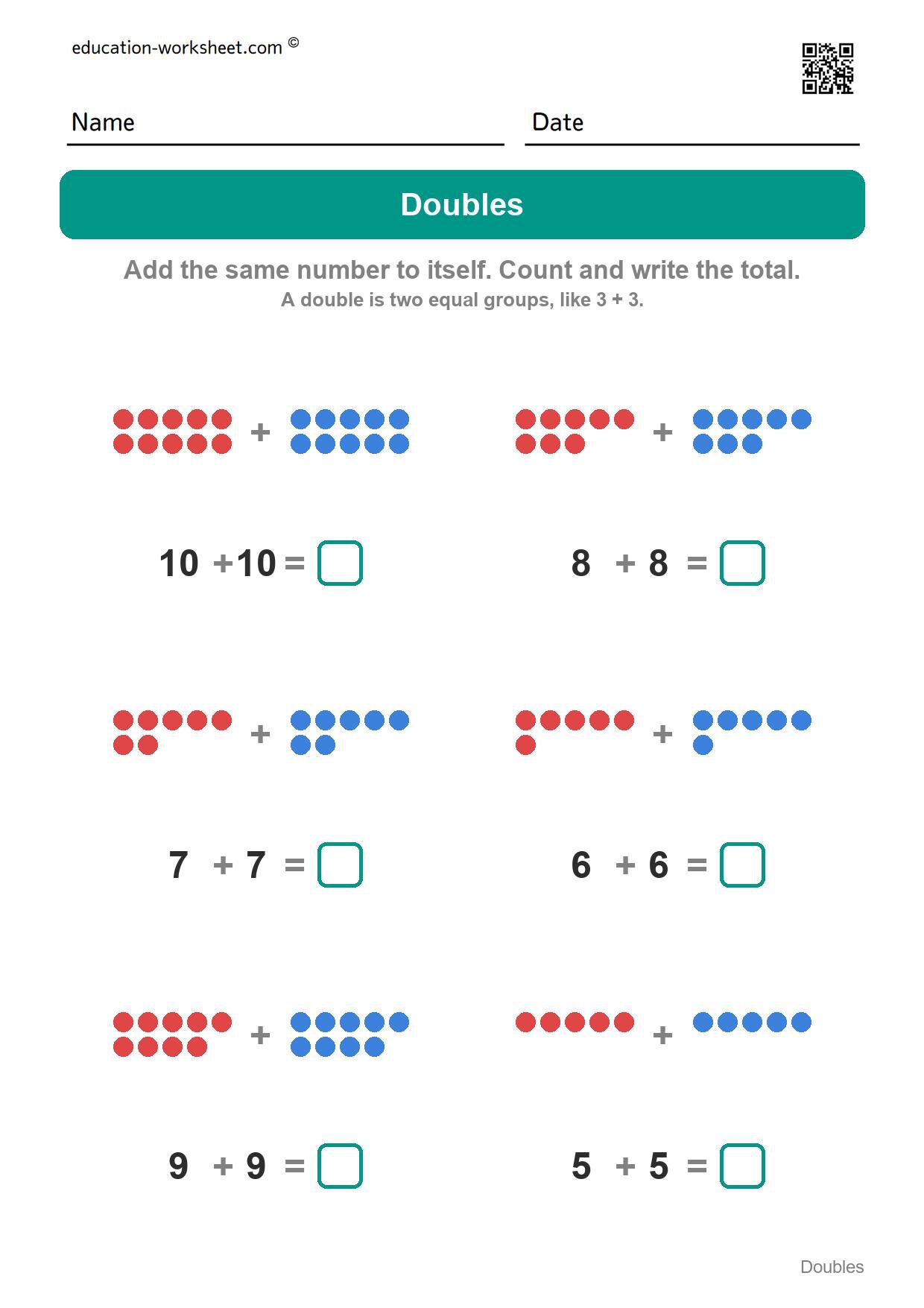
Doubles addition (Set 10)
Answer key – all 10 pages
Doubles facts: the ones worth knowing by heart
Doubles are the addition facts children learn fastest and remember longest. Most first graders can tell you that 5 + 5 is 10 long before they can work out 5 + 6, and that gap is useful rather than accidental. Doubles come easily because they are regular, they turn up in daily life, and there are only about ten of them to know.
What your child is actually learning
The doubles from 1 + 1 to 10 + 10 form a small set of anchor facts that the rest of addition can hang on. Their value is not that doubles themselves appear often in sums, but that knowing them instantly gives a child a starting point for facts they do not know. Once 6 + 6 is automatic, 6 + 7 stops being a calculation and becomes an adjustment.
How to work through these pages
Aim for instant recall rather than working out. Ask the doubles out of order, mixed in with other questions, at odd moments during the day rather than only at the table. Tie them to things your child can picture: two hands make ten, two weeks make fourteen days, a pair of shoes has ten eyelets. Physical anchors like these make recall much more durable than repetition alone.
The mistakes to expect
- Confusing doubling with adding one, so 7 + 7 is answered as 8. Say the question as “seven and another seven” if this happens.
- Knowing them in order but not out of order. If your child has to count up through the list to reach 8 + 8, the facts are not yet automatic.
- Doubles above 5 + 5 taking noticeably longer. This is normal, and the larger ones simply need more practice.
- Answering doubles quickly but not recognising them inside a bigger problem. Point out doubles when they turn up: “look, that one is 4 and 4.”
What to teach next
Near doubles are the immediate payoff and should follow closely, while the doubles are fresh. After that, the make ten strategy covers the facts that near doubles do not reach, and between the two of them a first grader has a method for every addition fact within twenty.
Questions parents ask
Why teach doubles separately rather than just practising all the facts?
Because doubles are learned far more easily than the rest, so they give a child a set of secure facts early. Practising all facts equally means spending the same effort on the easy ones and the hard ones.
How far should doubles go?
To 10 + 10 in first grade. Doubles beyond that, such as 12 + 12, are useful later but are not needed for the strategies at this level.
My child knows doubles but not the near doubles. What now?
Show the link explicitly and slowly: write 6 + 6 = 12, then write 6 + 7 underneath and ask what changed. Children often need this pointed out several times before they use it on their own.