These free printable what goes together worksheets give children twelve pages of practice with associations: pairs of things that we use together, find together or think of together, like a dog and a bone or a pencil and an eraser. The child matches pairs, listens for a partner, picks the right partner from three, judges whether two things belong together, names a partner without help, explains why, plays a memory game and finally hunts for real pairs at home.
A speech-language-hearing therapist designed this pack. When a child learns a new word, it is stored together with the things that usually come with it. Bread brings butter to mind; rain brings an umbrella. These links help children understand what they hear, recall words more quickly and organize what they know. Saying why two things go together is also an early form of explaining, a skill children need for school. The pages suit home, the classroom and therapy sessions. They give practice, not a diagnosis, and on their own they say nothing about whether a child has a language disorder.
Most free association worksheets stop at drawing lines between pictures. This pack goes further, in small steps. It starts with pictures and a pencil, moves to listening, then to choices that are designed to make the child stop and think, and ends with the child supplying both the partner and the reason in their own words.
- What Is in This Free What Goes Together Pack
- The 12 What Goes Together Worksheets
- Start Here – Six Steps and Notes for the Adult
- Page 1 – Match the Pairs: Strong Partners
- Page 2 – Match the Pairs: Home and Town
- Page 3 – Listen and Find
- Page 4 – Pick the Partner: Clear Choices
- Page 5 – Pick the Partner: Harder Choices
- Page 6 – Find the Pairs
- Page 7 – Yes or No?
- Page 8 – Tell What Goes
- Page 9 – Tell Why
- Page 10 – Say and Draw
- Page 11 – Memory Match Cards
- Page 12 – Find It at Home
- Answer Key
- How Each Page Was Checked
- Going Together Is Not the Same as Belonging to a Group
- When a Child Finds Associations Hard
- Who These Worksheets Are For
- How to Use These Worksheets
- Everyday Ways to Practice Associations
- Three Things to Watch For
- Printing Tips
- Frequently Asked Questions
- What are associations in speech therapy?
- What age are these what goes together worksheets for?
- My child chose a different partner. Is it wrong?
- Why are some questions printed upside down?
- Can these pages tell me if my child has a language disorder?
- Is there a fee or a sign-up?
- Can I use them with a class or in therapy?
- More Free Listening and Language Worksheets
What Is in This Free What Goes Together Pack
- Fourteen pages in all: a guide for the grown-up, twelve worksheets and an answer key.
- 61 different pictures of everyday things, places and people, from a kettle and a ladle to a bus stop and a hospital.
- Six steps: match the pairs (pages 1 and 2), listen and find (page 3), pick the partner (pages 4 and 5), find pairs and say yes or no (pages 6 and 7), tell what goes and why (pages 8 to 10), and play and find at home (pages 11 and 12).
- Adult questions printed upside down on pages 3 and 10, so you can read them from across the table.
- A memory game you can cut out and use again and again.
- A separate free PDF for every page, so you can print only the ones you need.
The 12 What Goes Together Worksheets
All of the pairs come from daily life at home, at school and around town. Every picture has its name printed under it, so a child who cannot read yet can still work with you, and an adult always knows which word the picture stands for.
Start Here – Six Steps and Notes for the Adult
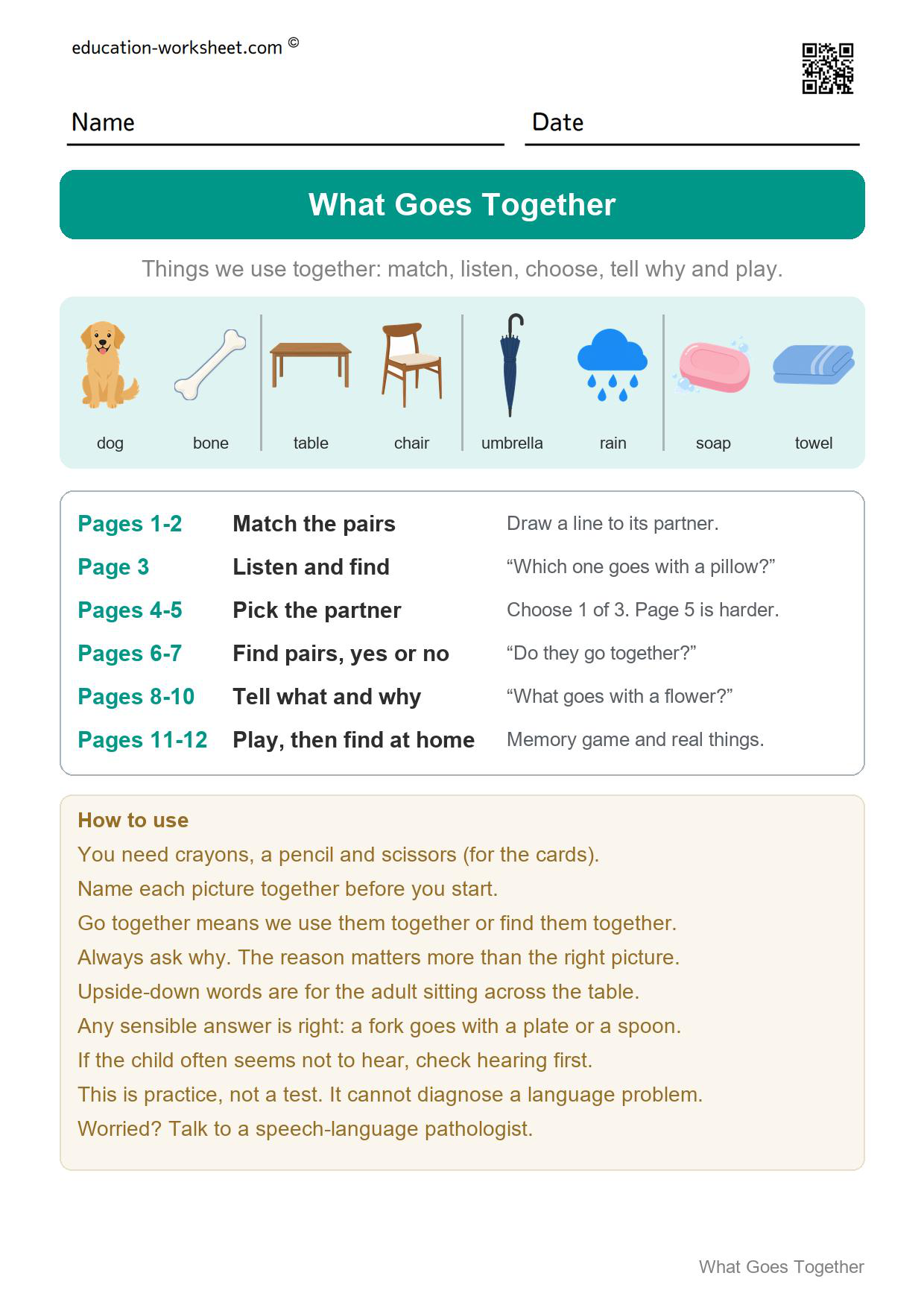
The first page shows four sample pairs across the top (a dog and a bone, a table and a chair, an umbrella and rain, soap and a towel), then the six steps of the pack and a short list of notes. One note sums up the whole pack: always ask why, because the reason matters more than the picture the child points to.
Page 1 – Match the Pairs: Strong Partners
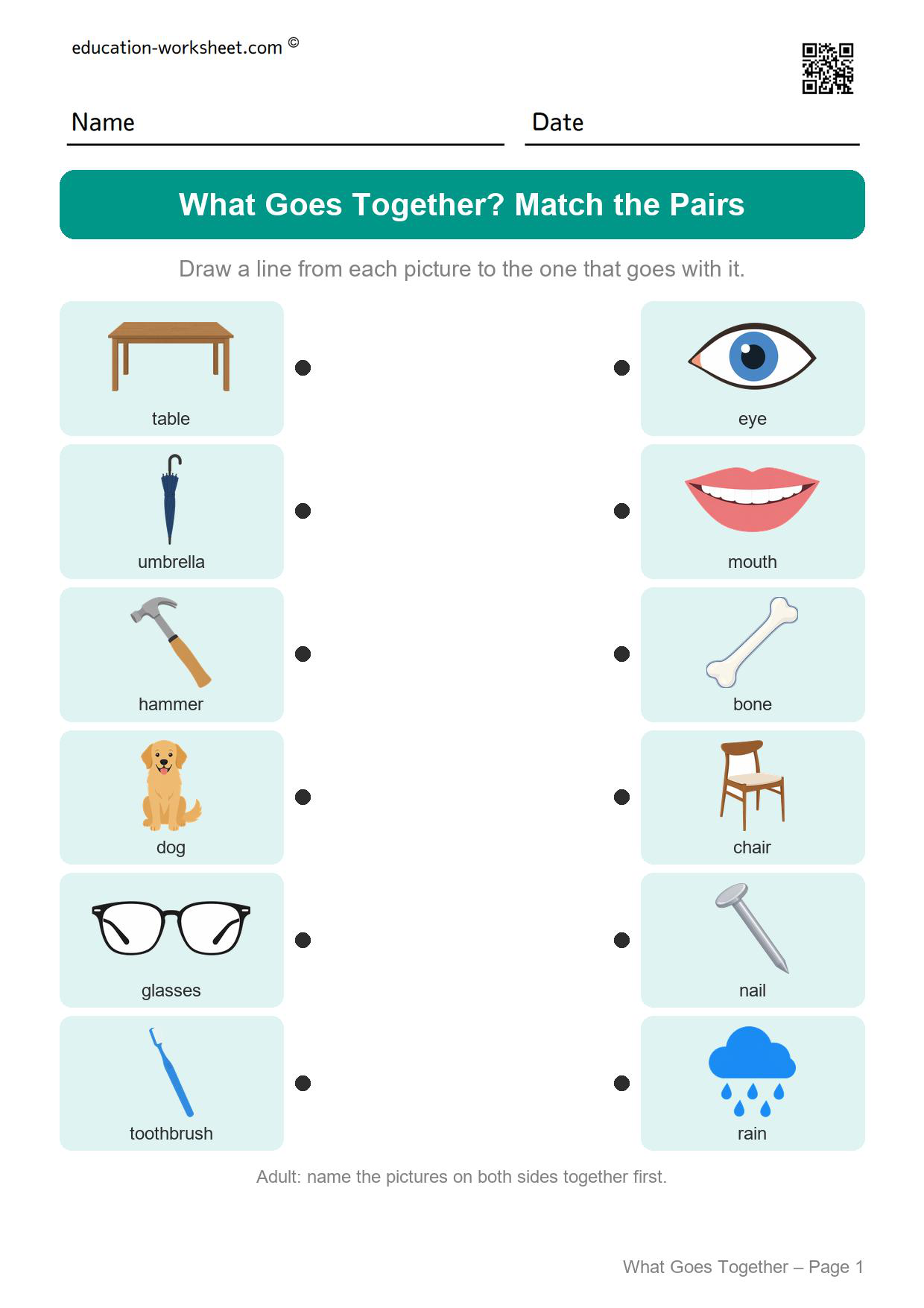
Six pictures on the left, six on the right, and the child draws a line to join each pair. The pairs are some of the strongest links a young child knows: a table and a chair, an umbrella and rain, a hammer and a nail, a dog and a bone, glasses and an eye, and a toothbrush and a mouth.
Each picture on the right fits only one picture on the left, and no partner sits straight across from its match, so the child has to look and think rather than draw flat lines.
Page 2 – Match the Pairs: Home and Town
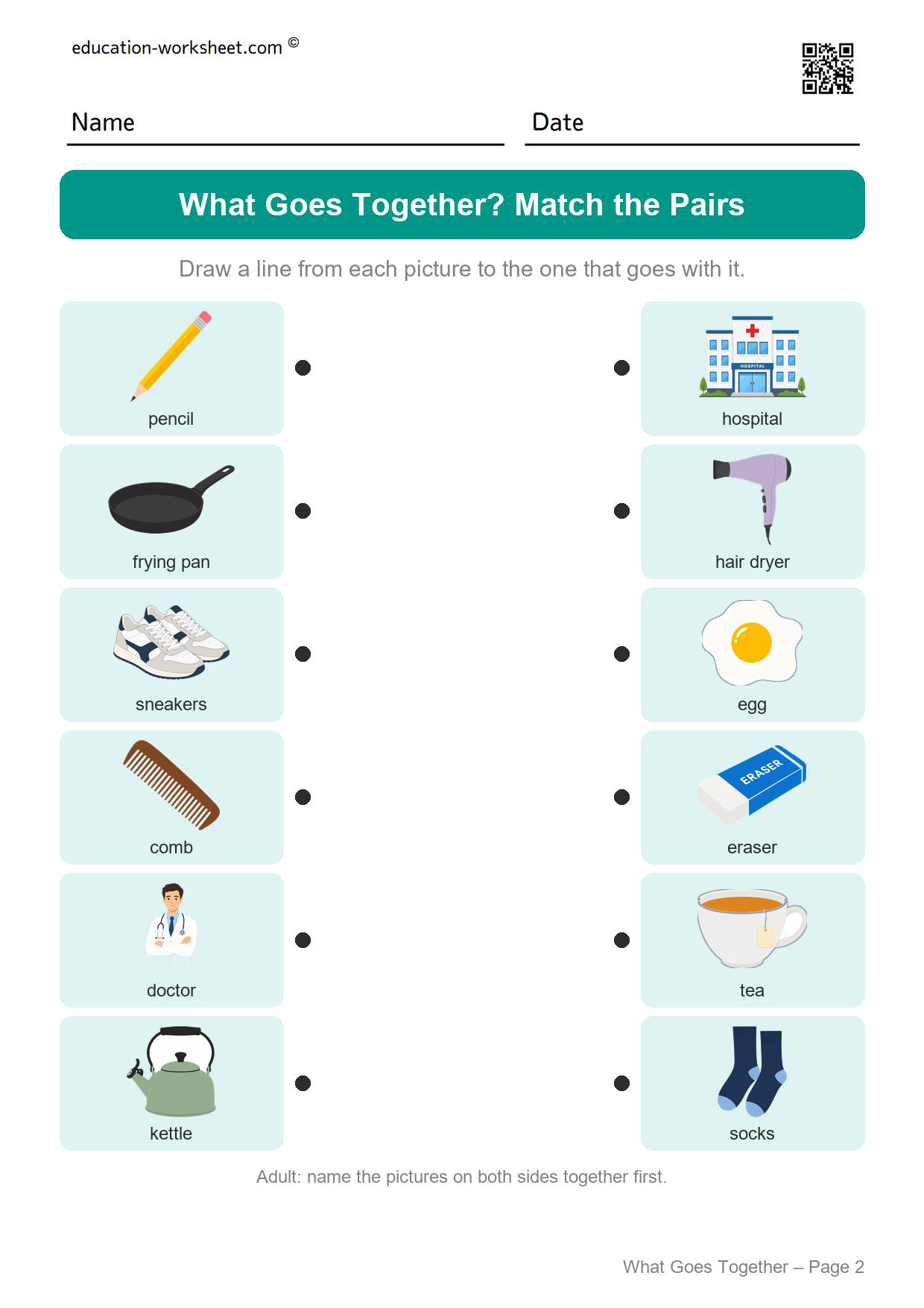
Six new pairs, a little less obvious than on page 1: a pencil and an eraser, a frying pan and an egg, sneakers and socks, a comb and a hair dryer, a doctor and a hospital, and a kettle and tea. Two of them join a person to a place, which is a different kind of link from two objects used side by side. That difference is worth pointing out when you talk about the pairs.
Page 3 – Listen and Find
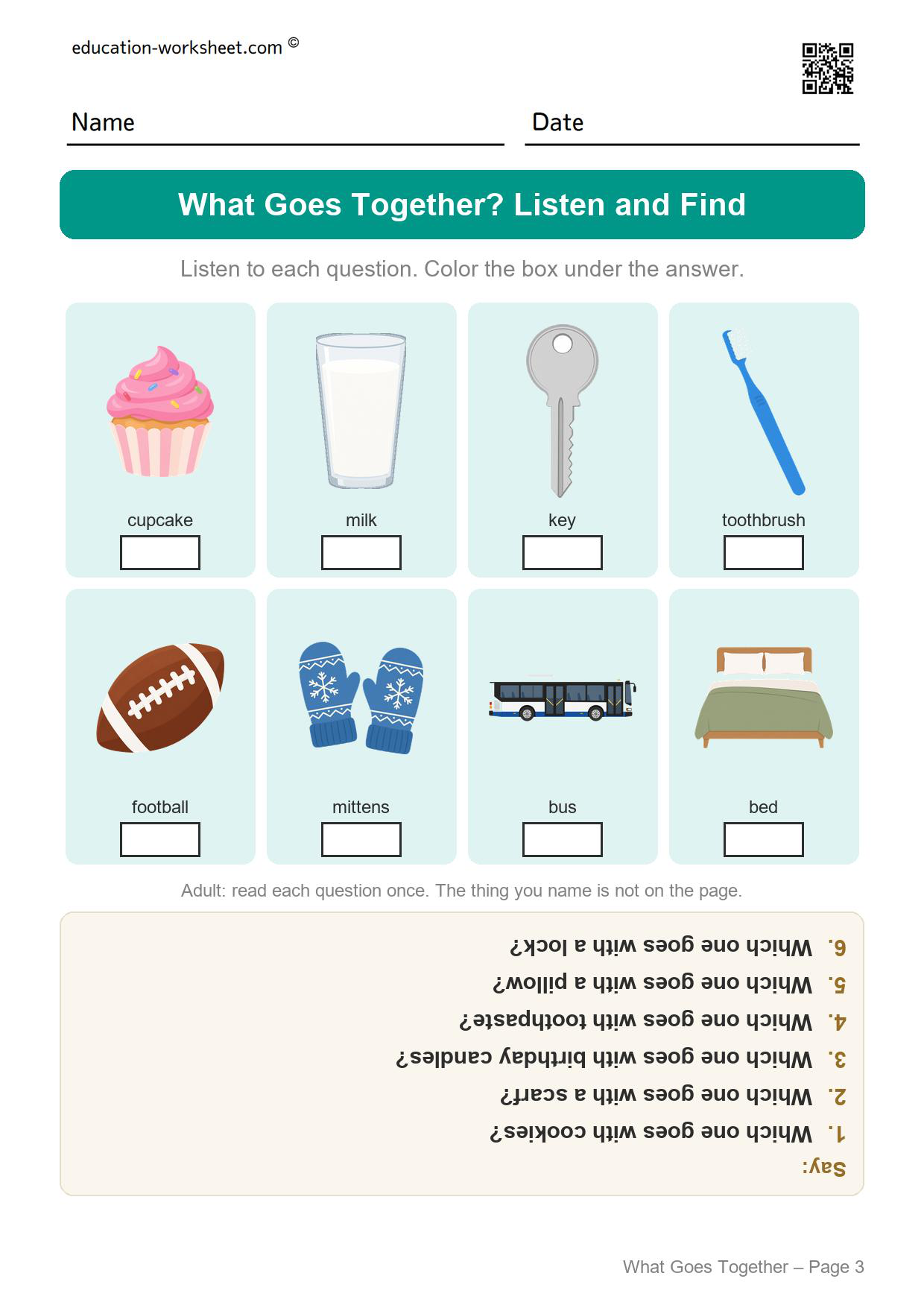
This page moves from seeing to listening. You read a question such as “Which one goes with a pillow?” and the child colors the box under the bed. The things you name are deliberately missing from the page: cookies, a scarf, birthday candles, toothpaste, a pillow and a lock. The child has to hold the spoken word in mind and search the pictures for its partner.
The answers are the milk, mittens, cupcake, toothbrush, bed and key. The football and the bus are never asked about, so the final question cannot be answered by crossing off the others.
Page 4 – Pick the Partner: Clear Choices
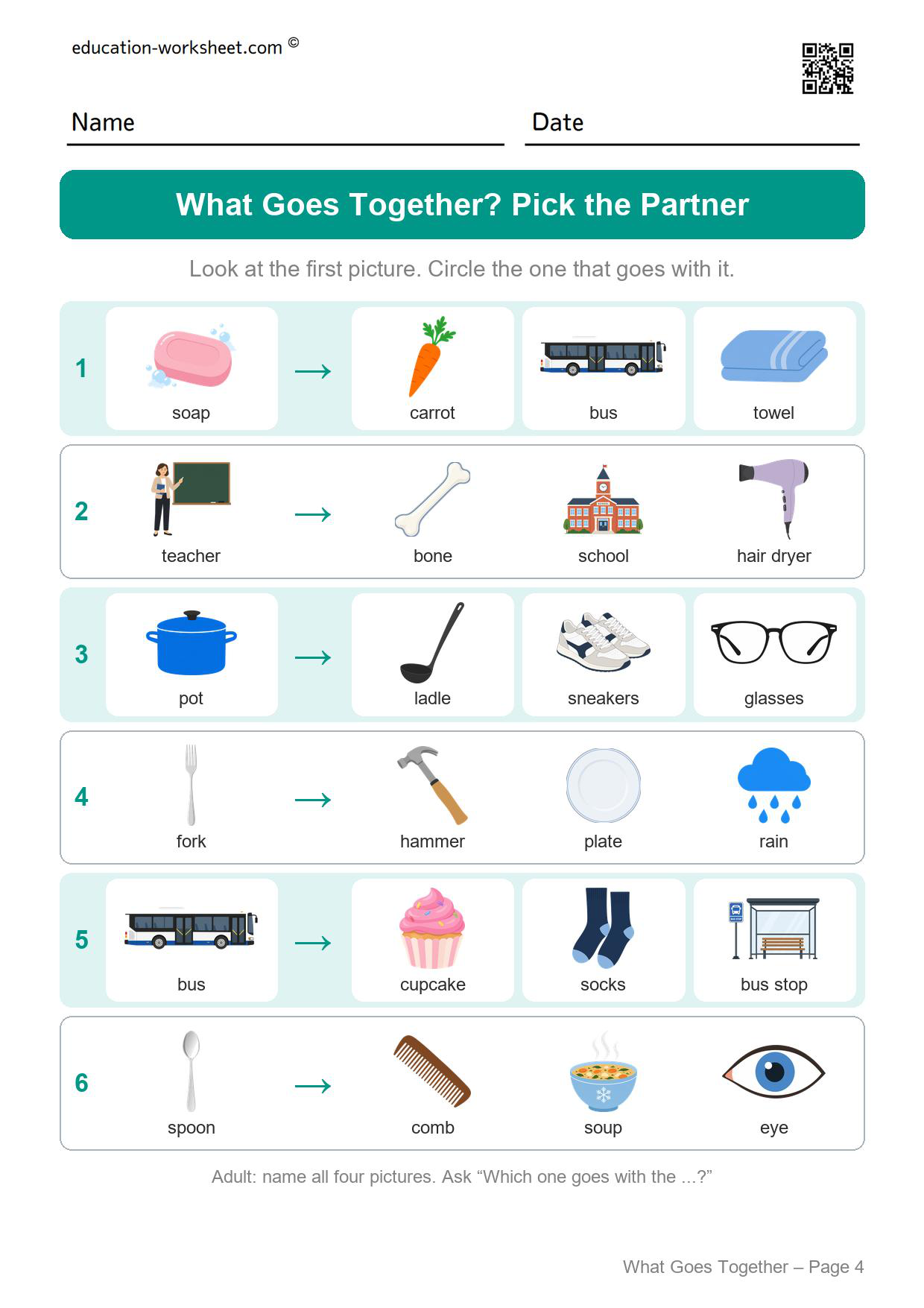
Each row has one picture, an arrow and three choices. The child circles the one that goes with the first picture. The pairs are soap and a towel, a teacher and a school, a pot and a ladle, a fork and a plate, a bus and a bus stop, and a spoon and soup.
The two wrong choices in each row have nothing to do with the first picture. Next to the soap, for example, sit a carrot and a bus. That keeps this page manageable for children who are new to the idea of going together.
Page 5 – Pick the Partner: Harder Choices
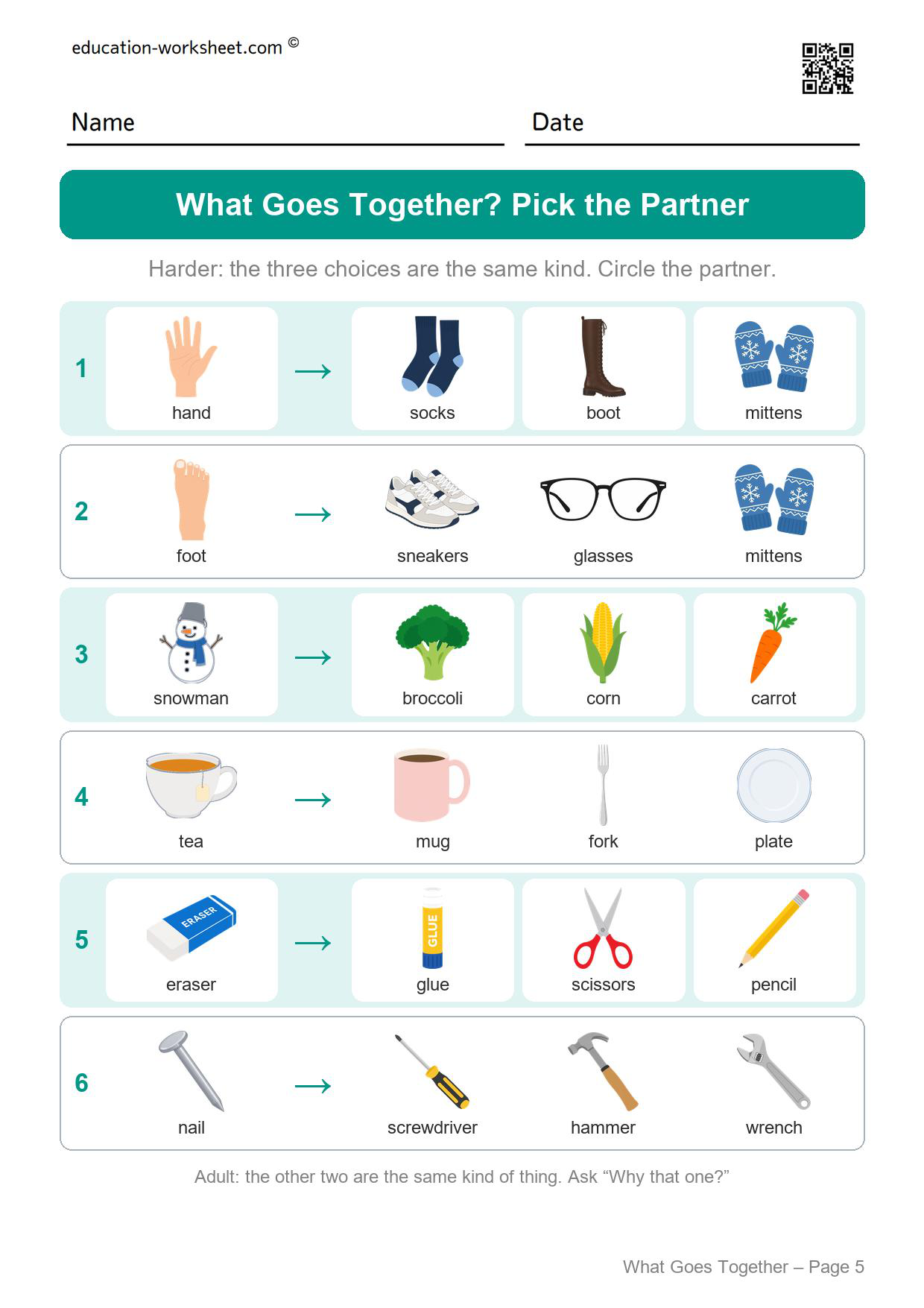
Here the three choices in each row are the same kind of thing, so the child cannot rely on a quick feeling of “these belong together.” Next to the hand are socks, a boot and mittens: all things we wear, but only mittens go on hands. The snowman row offers broccoli, corn and a carrot, and the answer depends on knowing what a snowman’s nose is made of.
The other rows are a foot with sneakers, glasses and mittens; tea with a fork, a plate and a mug; an eraser with glue, scissors and a pencil; and a nail with a screwdriver, a wrench and a hammer. The eraser and the nail rows reuse pairs from pages 1 and 2 on purpose, now surrounded by close look-alikes, so a familiar pair becomes a fresh challenge.
Page 6 – Find the Pairs
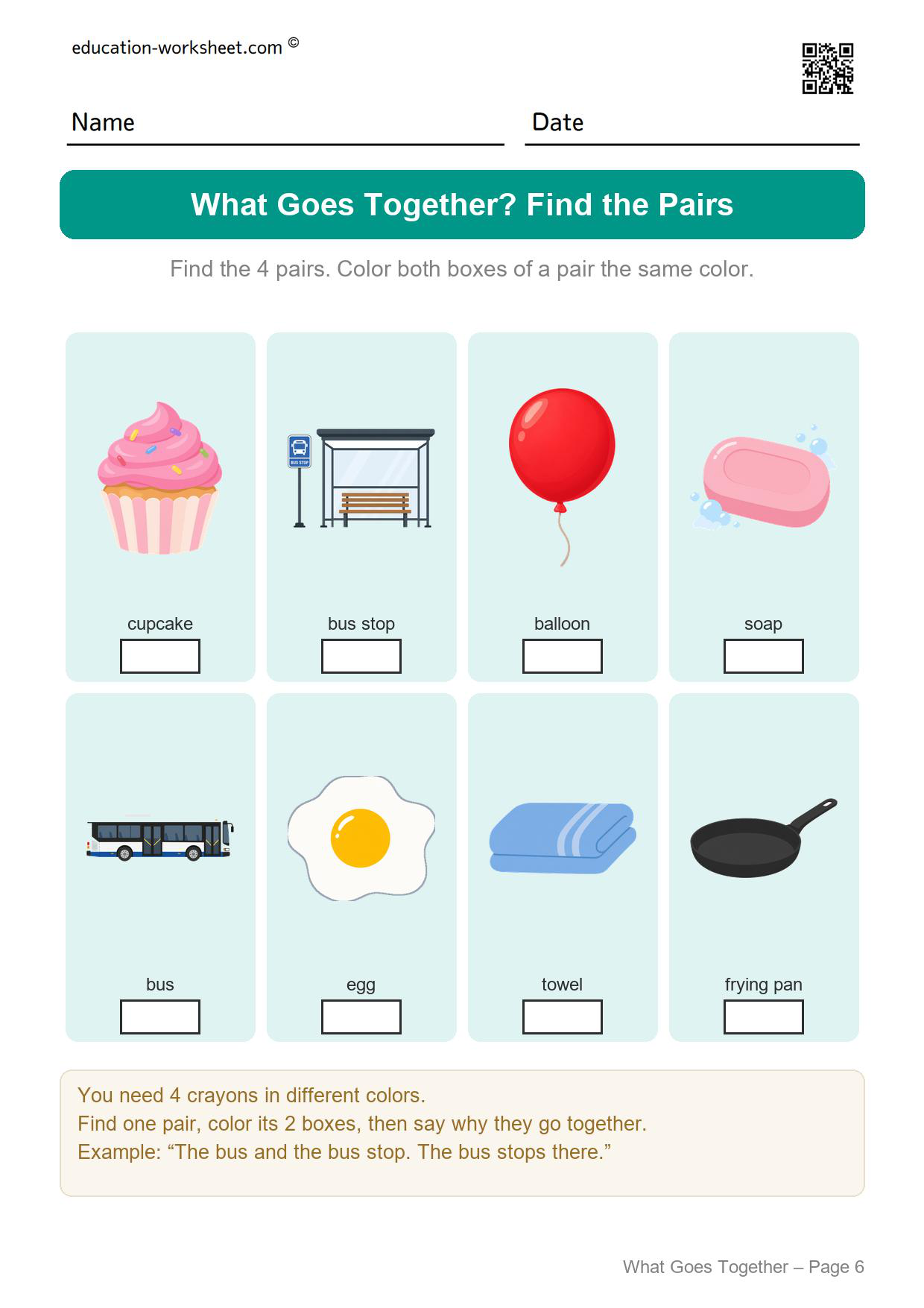
Eight pictures, four hidden pairs. The child colors the two boxes of each pair with the same crayon, using four different colors in all. The pairs are soap and a towel, a bus and a bus stop, a frying pan and an egg, and a cupcake and a balloon. Partners never sit side by side or straight above each other, so the child has to search the whole page.
Page 7 – Yes or No?
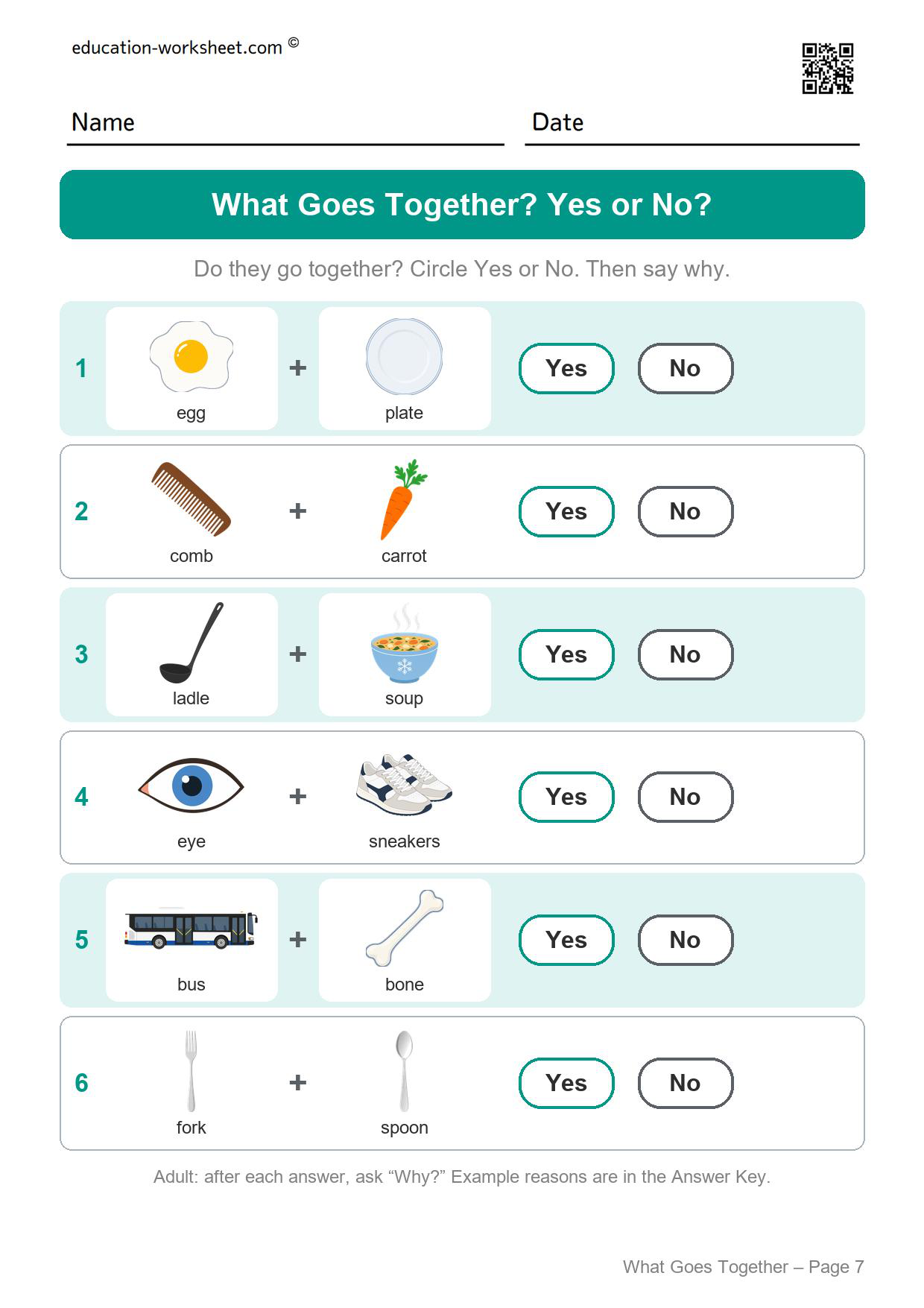
Two pictures and a simple judgment: do they go together? The child circles Yes or No and then explains. Three rows are real pairs (an egg and a plate, a ladle and soup, a fork and a spoon) and three are not (a comb and a carrot, an eye and sneakers, a bus and a bone).
Saying why a pair does not go together is often harder than saying why one does. A child who answers “No, because a bone is for a dog” is thinking about the job of each thing, which is exactly the point of the page. Short example reasons are in the answer key.
Page 8 – Tell What Goes
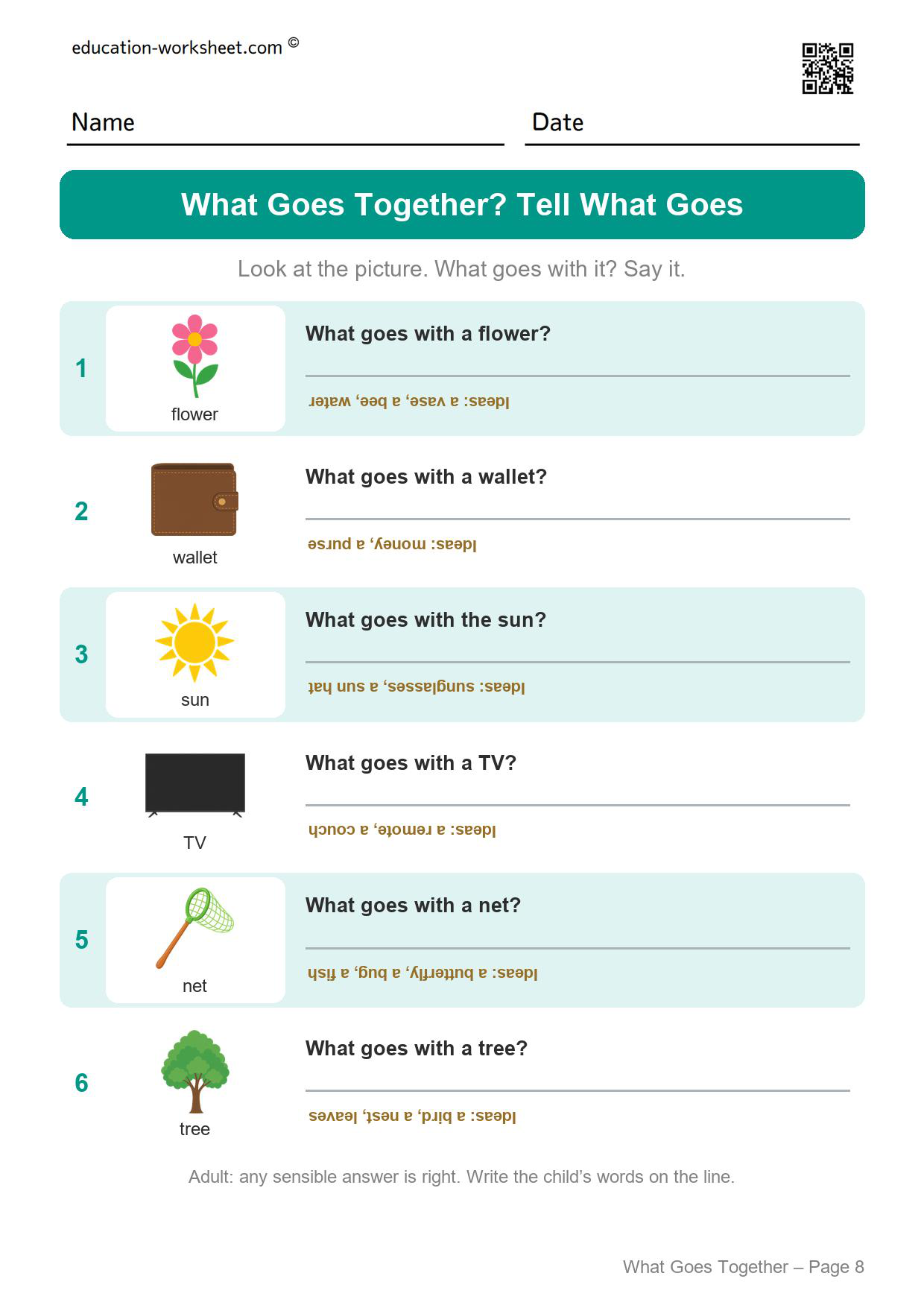
Now the child supplies the partner. Each row shows one picture and asks, for example, “What goes with a wallet?” The pictures are a flower, a wallet, the sun, a TV, a net and a tree. There is no single right answer: a flower can go with a vase, a bee or water. A few ideas are printed upside down for the adult, and the line is for writing down what the child actually says.
Page 9 – Tell Why
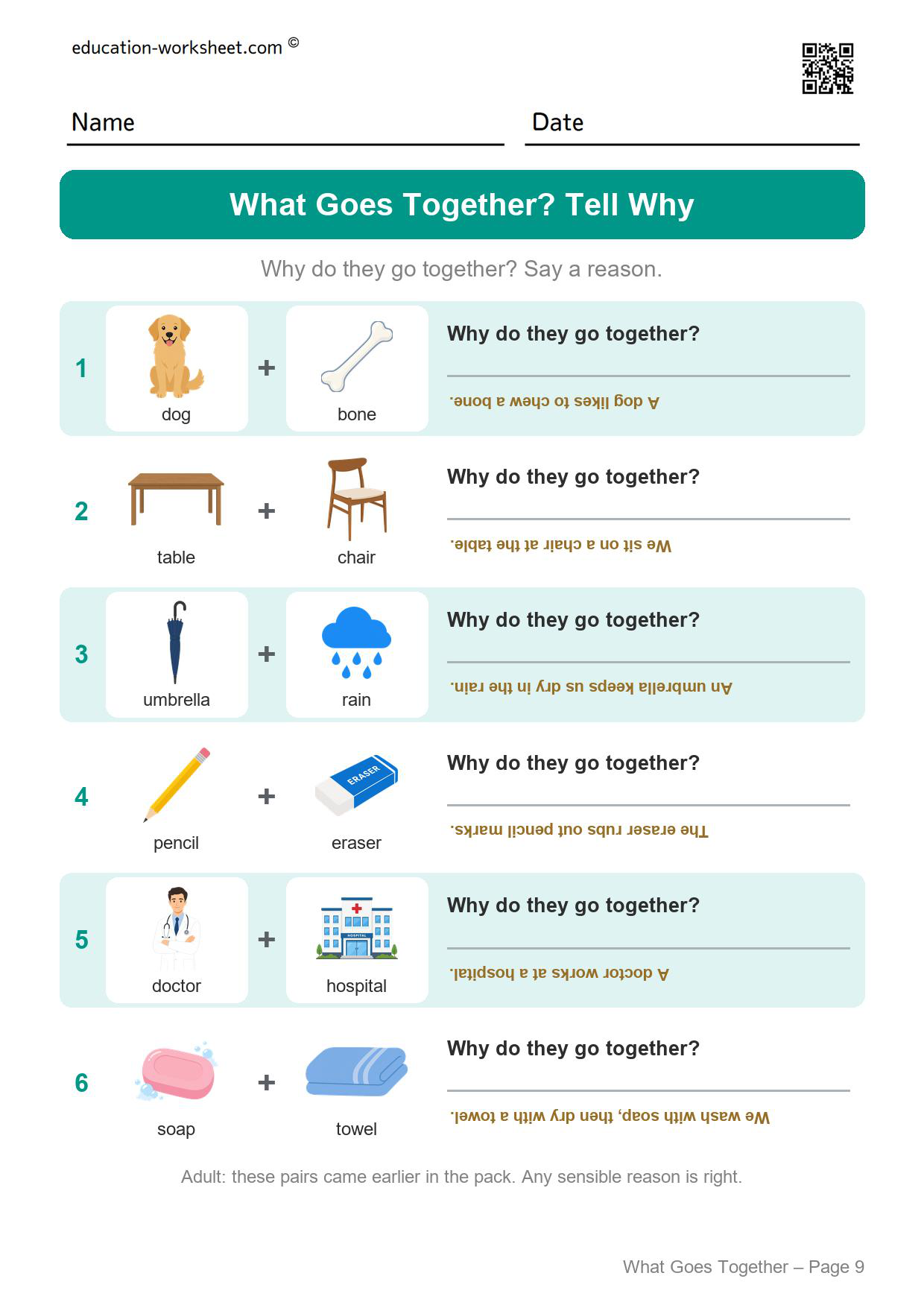
The six pairs on this page all appeared earlier in the pack: a dog and a bone, a table and a chair, an umbrella and rain, a pencil and an eraser, a doctor and a hospital, and soap and a towel. Because the child already knows that each pair belongs together, all the effort can go into the reason. “A doctor works at a hospital” is a complete answer; so is “the dog chews it.”
Page 10 – Say and Draw
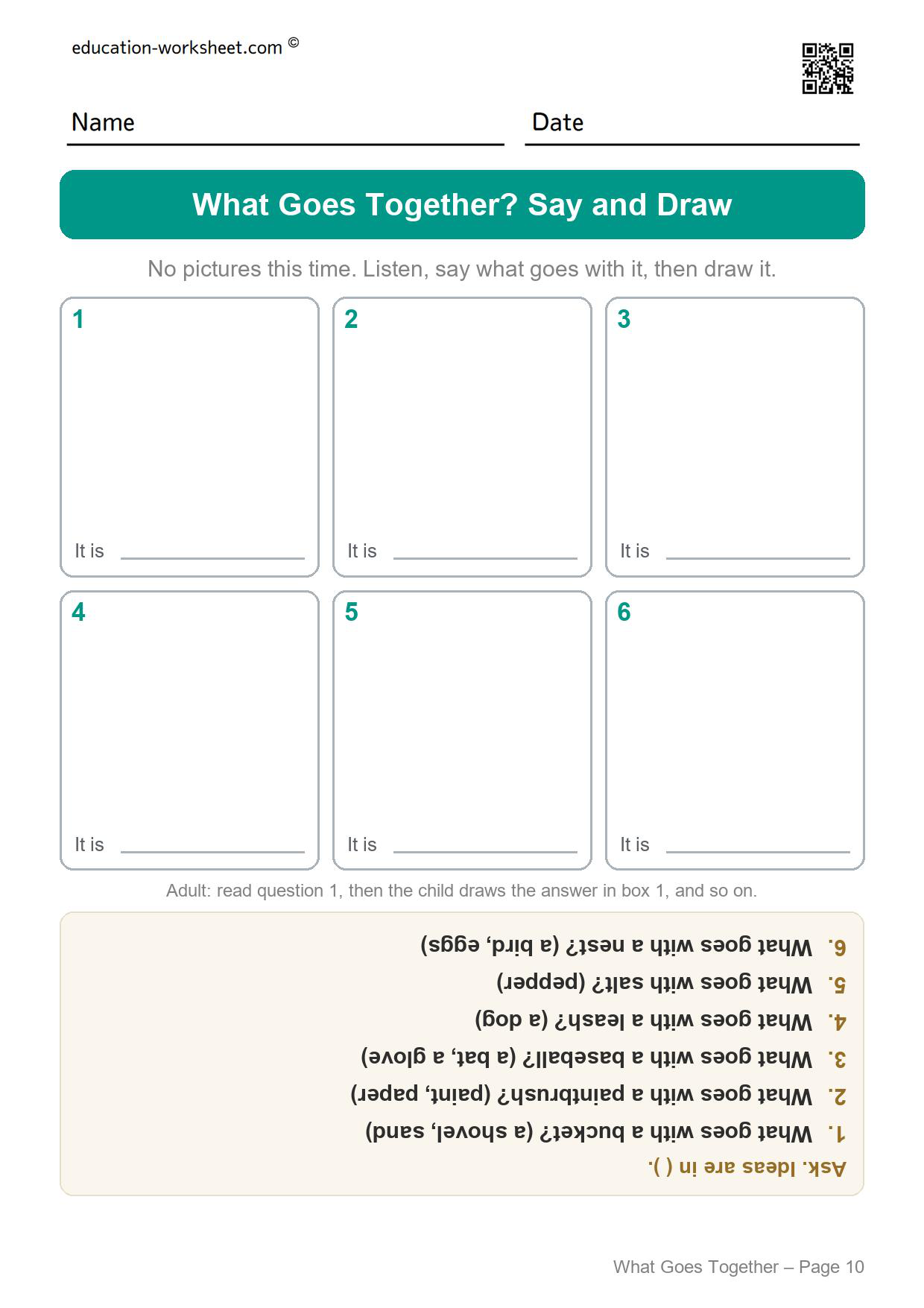
No pictures at all. You ask six questions, from “What goes with a bucket?” to “What goes with salt?”, and the child says a partner and draws it in a box. The other words are a paintbrush, a baseball, a leash and a nest. Ideas are printed upside down in brackets, but the child’s own sensible answer always counts.
Page 11 – Memory Match Cards
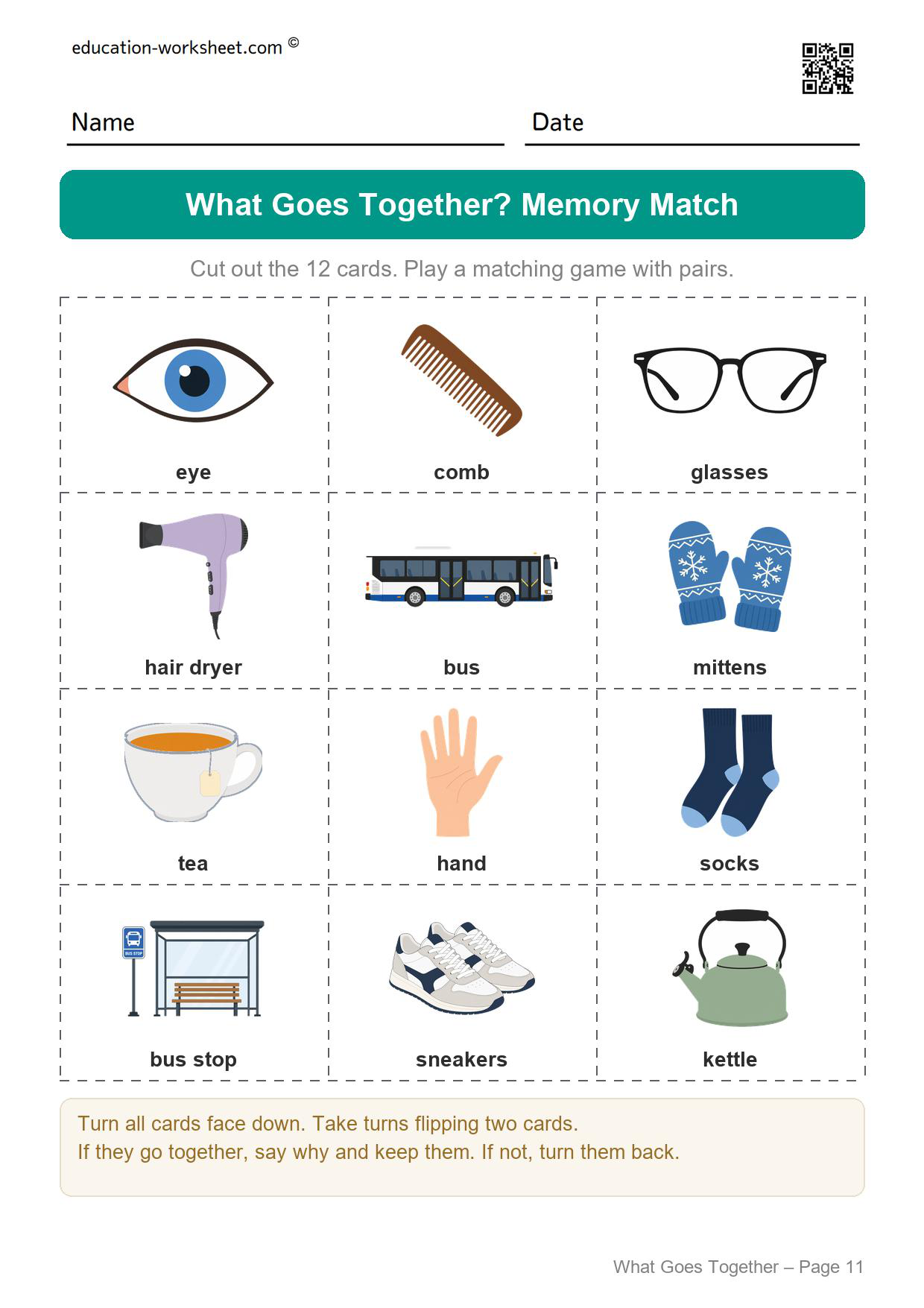
Twelve cards to cut out along the dotted lines, making six pairs: sneakers and socks, a kettle and tea, a comb and a hair dryer, a hand and mittens, glasses and an eye, and a bus and a bus stop. Lay them face down and take turns turning over two. A player keeps the cards only after saying why they go together, so every turn includes a little talking.
Page 12 – Find It at Home
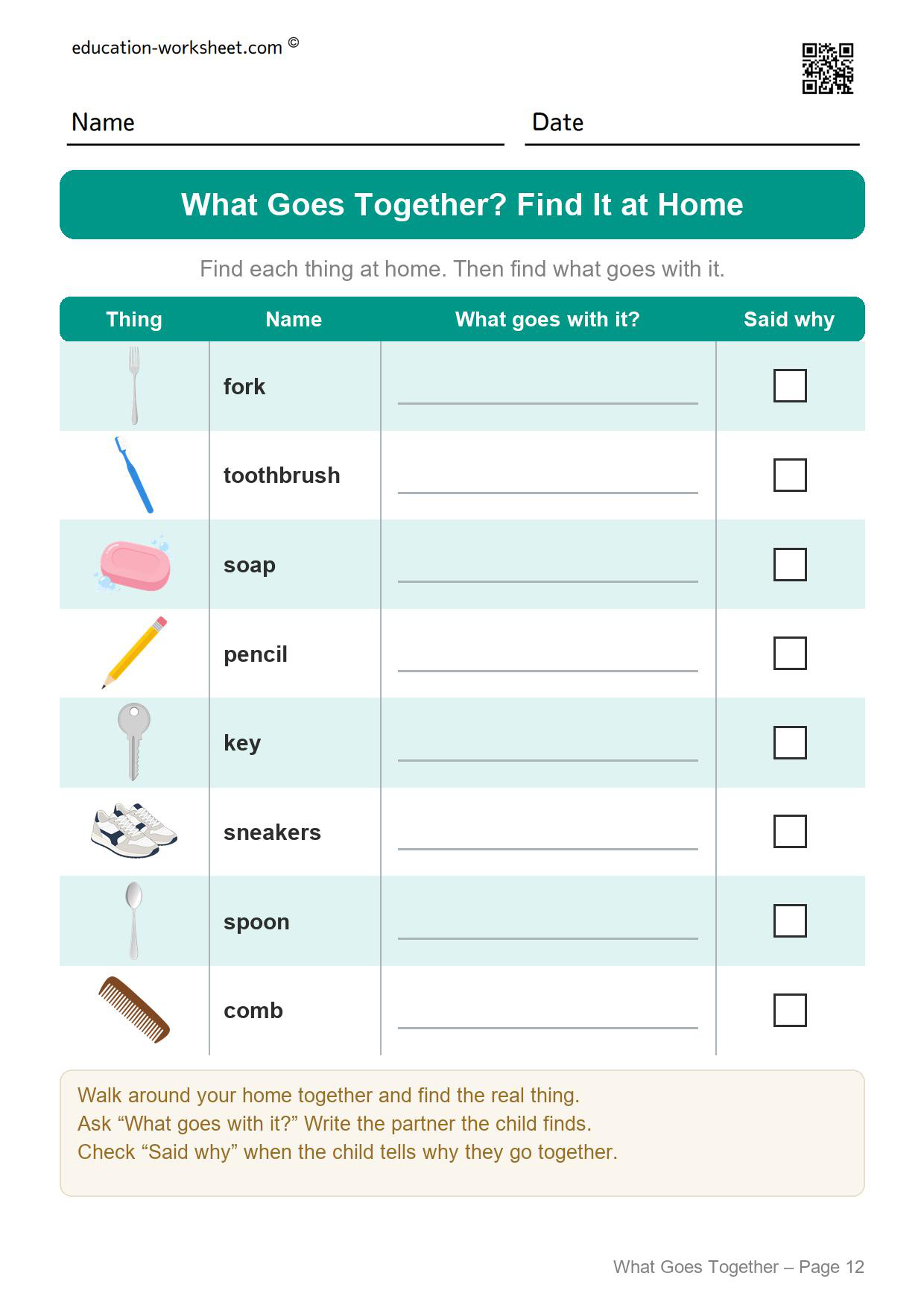
A table for a hunt around the house. The child finds a fork, a toothbrush, soap, a pencil, a key, sneakers, a spoon and a comb, then looks for something that goes with each one and you write it down. The last column is a box to check when the child explains the link in their own words.
Answer Key
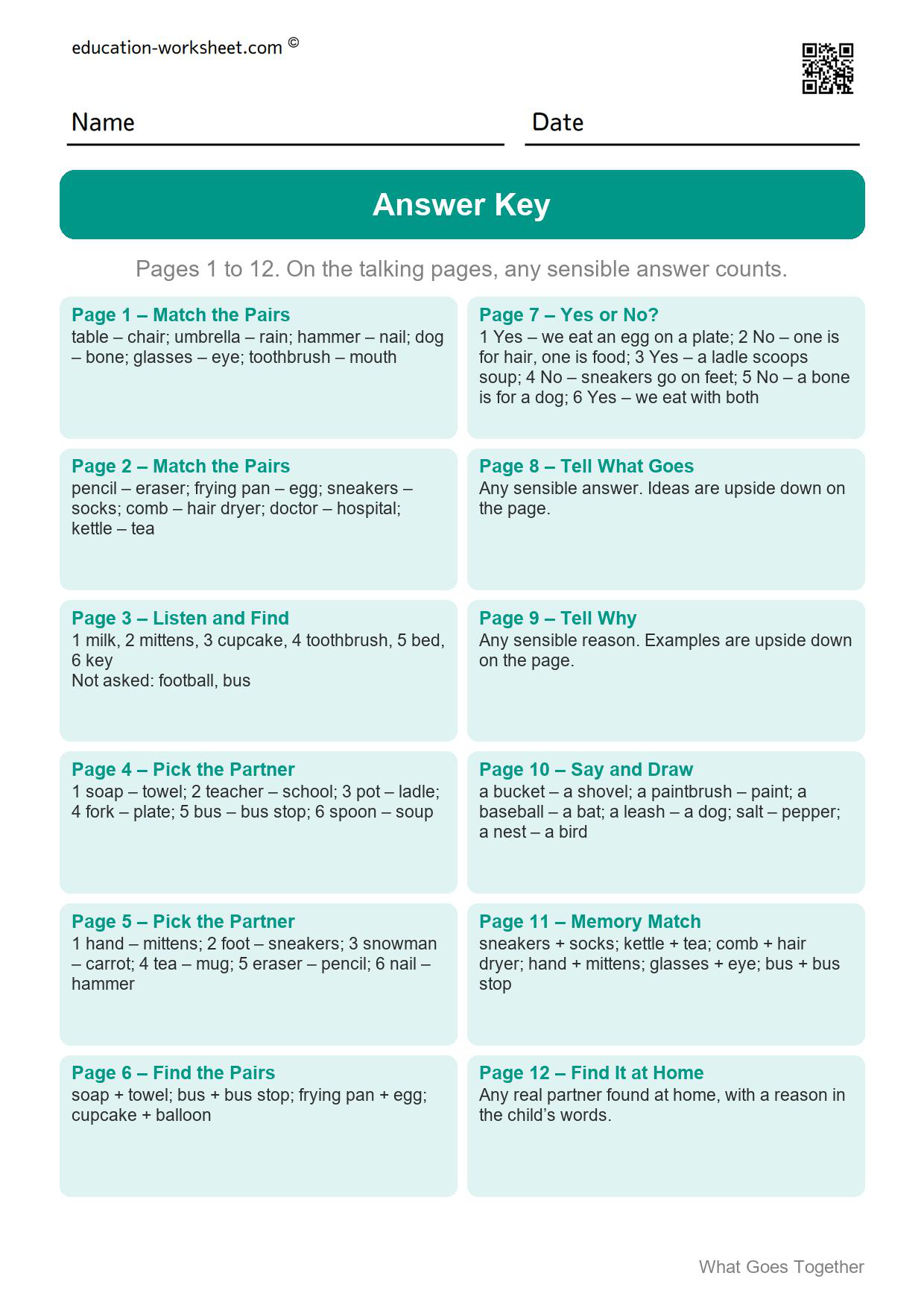
Answers for the matching, listening, choosing and yes-or-no pages, with short reasons for page 7 and ideas for the drawing page. For pages 8 to 12, the key is a starting point. A child who says a fork goes with a knife rather than a plate has made a perfectly good link.
How Each Page Was Checked
Associations are slippery. Almost anything can be linked to almost anything else with enough imagination, so a page is only fair if one answer is clearly better than the rest. Before saving, a short computer program checked every page against a list of links that a child could reasonably make, and the list was kept generous on purpose.
- Only one fair partner. In every matching set, every row of choices and the pairs page, each picture links to exactly one of the pictures it is shown with. A fork could go with a plate or a spoon, so a fork is never offered with both at once.
- Wrong choices that are really wrong. On page 5 the wrong choices are close in kind but not linked to the first picture: socks and a boot are worn, but not on hands.
- No hints in the question. On page 3 the spoken word never contains a picture name from the page, and the thing you name is never pictured.
- Answers spread out. The circled answers on pages 4 and 5 move between the first, second and third choice and never sit in the same position in two rows running. Page 7 has three Yes rows and three No rows in a mixed order.
- No repeated questions. A pair may come back, but never as the same question. On page 5 two familiar pairs return with harder choices, and page 9 reuses earlier pairs to ask for the reason instead of the match.
Going Together Is Not the Same as Belonging to a Group
It helps to keep two ideas apart. A sock and a shoe go together because we use them together. A sock and a T-shirt belong to the same group, clothes, but we do not use one with the other. Our category sorting worksheets practice the second idea. This pack practices the first, and page 5 is built around the difference: the three choices are always from one group, and only one of them is a partner.
Associations also overlap with what things are used for. The object function worksheets ask about a single object and its job, such as what we use a key for. Here the question is about two things and the link between them. A child who works through both packs gets two different ways to talk about the same everyday words.
When a Child Finds Associations Hard
Some children choose a partner that looks similar instead of one that is used with it, such as matching a pencil with a crayon. Others pick the right picture but answer “because” or “I don’t know” when asked why. Both are common. Act it out: pretend to write with the pencil, make a mistake and reach for the eraser. Then put the reason into a short sentence for the child to repeat, and go back to the pairs on pages 1 and 2.
If you notice the child often missing what you say, especially on pages 3 and 10, have their hearing tested before anything else. If words seem hard for the child to follow or to use at home and at preschool, or anything else about their language worries you, a speech-language pathologist can look into it properly, and the child’s teacher is a good first person to ask. Worksheets like these build skills; finding the cause of a difficulty is a job for a professional.
Who These Worksheets Are For
- Age: best for children of about four to seven, from preschool into first grade. Pages 1 to 4 and 6 work for younger children; pages 8 to 10 suit children who already speak in sentences.
- Before you begin: the child should recognize most of the pictures, perhaps with a little help, and be able to draw a line or color a box.
- L.K.5c and L.1.5c – identify real-life connections between words and their use, as on pages 4, 5 and 12.
- SL.K.2 and SL.1.2 – understand what is read aloud or presented orally, as on pages 3 and 10.
- SL.K.6 – express thoughts, feelings and ideas clearly; SL.1.6 – produce complete sentences when appropriate, as on pages 7 to 9.
How to Use These Worksheets
- Start with the guide page and chat about the four pairs along the top.
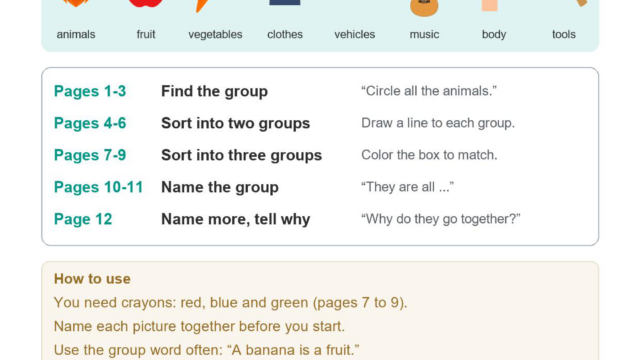
- Before each page, point to every picture and say its name. A child cannot link two words that are still unfamiliar.
- On pages 3 and 10, sit opposite the child so that the upside-down questions face you, and read each one once.
- After every answer, on every page, ask “Why?” Accept any sensible reason.
- Write the child’s words on pages 8, 9 and 12. Looking back after a few weeks shows how the reasons grow longer.
- Keep the memory cards from page 11 in an envelope for quick games later.
Everyday Ways to Practice Associations
- Laundry pairs. While folding socks, ask what else goes on feet, then what goes with a pajama top.
- Silly mix-ups. Offer a fork with a cup of tea and wait for the child to protest. Explaining why it is silly is association practice too.
- Pack the bag. Before an outing, ask the child what you need for rain, for the beach or for a picnic.
Three Things to Watch For
1. Choosing by color or shape. The egg and the plate are both white and round, which can tempt a child to pair them for the wrong reason. Ask, “What do we do with them?” to steer the child back to use.
2. Very personal links. A child may say a bus goes with Grandma because she rides it. That is a real memory, and you can welcome it, then add, “And where does the bus stop?” to reach a link everyone shares.
3. Same group, not a pair. On page 5 a child who circles socks for the hand has noticed that socks and mittens are both things we wear. Praise the noticing, then ask, “Do socks go on your hands?”
Printing Tips
- Choose actual size, or 100 percent, in the print settings. The pages fit both US Letter and A4.
- A few pictures, such as the white egg, plate and milk, are clearer in color.
- Print page 11 on card stock if you can, so the cards last longer and cannot be seen through when face down.
Frequently Asked Questions
What are associations in speech therapy?
Associations are links between words that belong together because we use them together, find them together or think of them together, such as a toothbrush and a mouth. Practicing them helps children organize vocabulary and explain their thinking.
What age are these what goes together worksheets for?
Mostly four- to seven-year-olds. A younger child may spend weeks on the matching and choosing pages, while an older one can go straight to telling what goes and why.
My child chose a different partner. Is it wrong?
On the talking pages, almost never. Ask for the reason. If the link makes sense, such as a spoon going with a bowl instead of soup, count it as right.
Why are some questions printed upside down?
So the adult sitting opposite can read them easily, while the child listens instead of reading the answer.
Can these pages tell me if my child has a language disorder?
No. Nothing here is scored or compared with other children. If something worries you, ask for a hearing test and an assessment by a speech-language pathologist.
Is there a fee or a sign-up?
Neither. Click any PDF button and the page opens, free, without an account.
Can I use them with a class or in therapy?
Yes. Print as many copies as your own children, your class or your caseload needs. We only ask that you do not sell the pages or share the files on other websites; link to this page instead.
More Free Listening and Language Worksheets
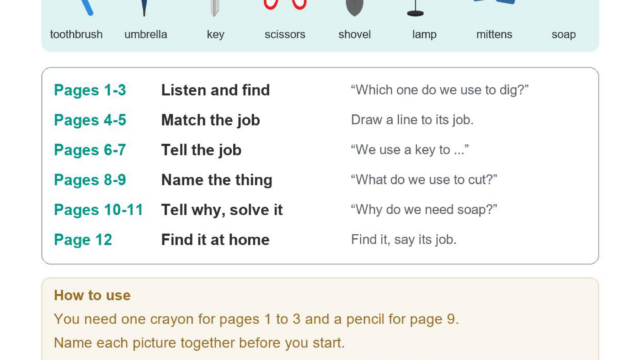
- Free Object Function Worksheets – What Do We Use It For?
- Free Category Sorting Worksheets for Speech Therapy and Preschool
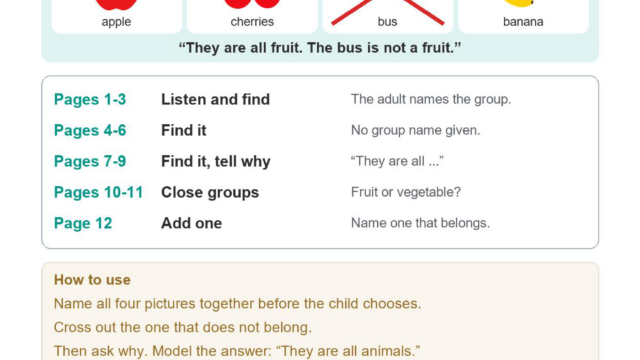
- Free What Doesn’t Belong Worksheets – Odd One Out Categories
- Free Where Questions Worksheets – WH Questions with Pictures
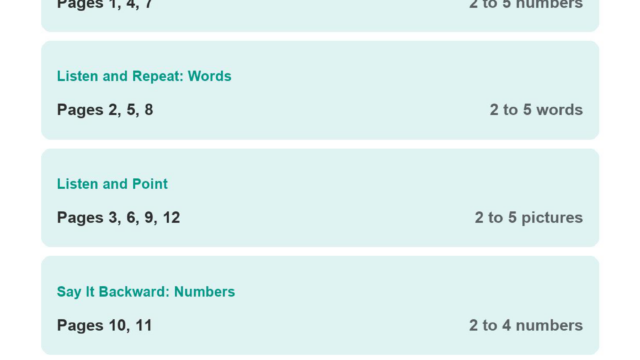
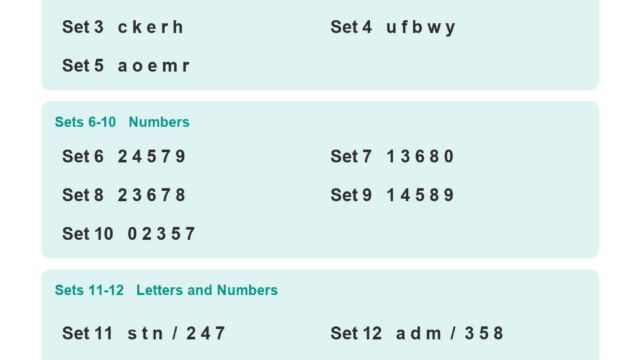
- Free Auditory Memory Worksheets for Kids – Listen and Repeat
- Free Opposites Worksheets for Kindergarten – Match the Opposite