- Free Word Family Worksheets for Kindergarten – Silent e Families
- How word families work
- Make the word (Set 1)
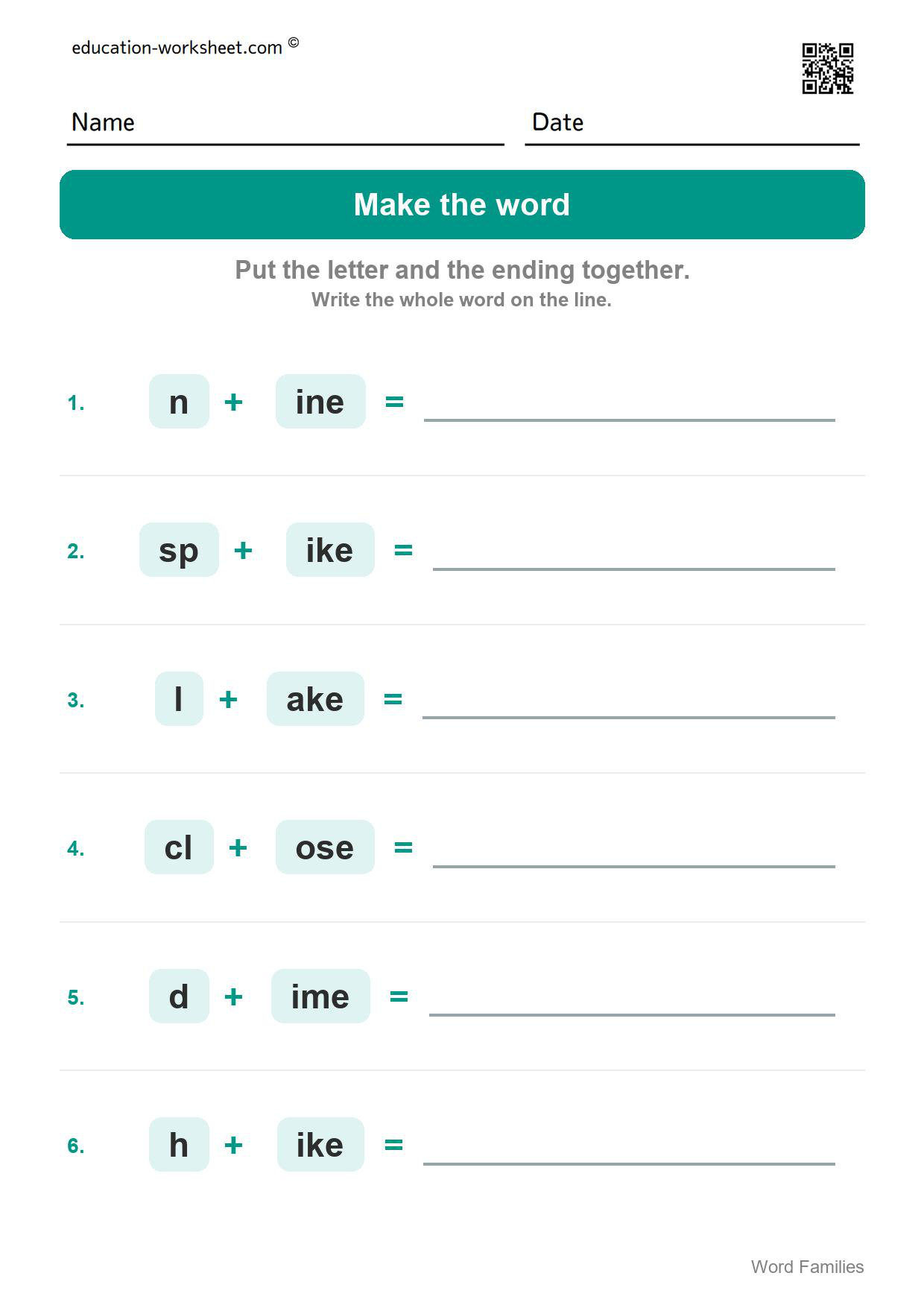
- Sort the words: ike and ide (Set 2)
- Make the word (Set 3)
- Sort the words: ose and ine (Set 4)
- Make the word (Set 5)
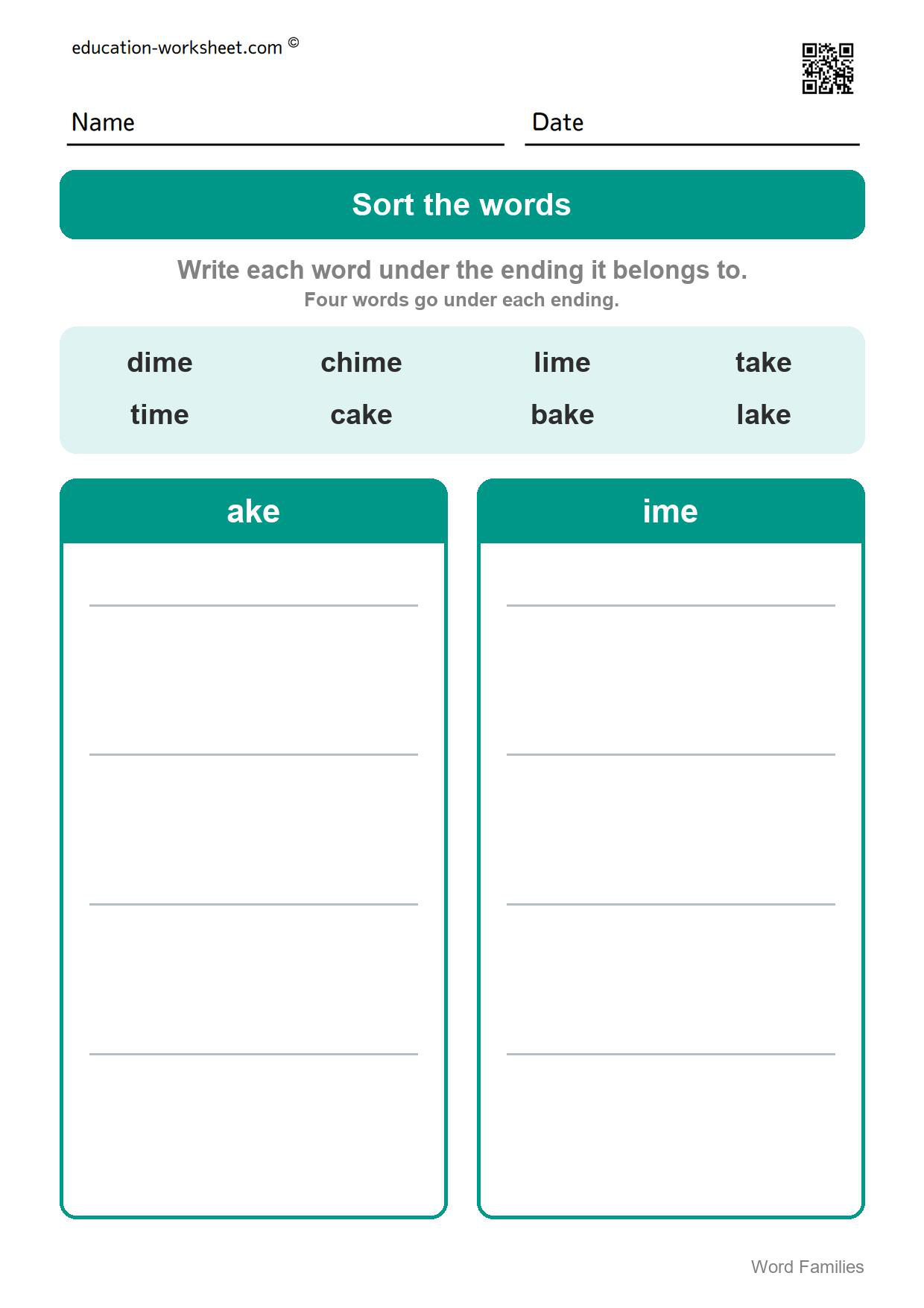
- Sort the words: ake and ime (Set 6)
- Make the word (Set 7)
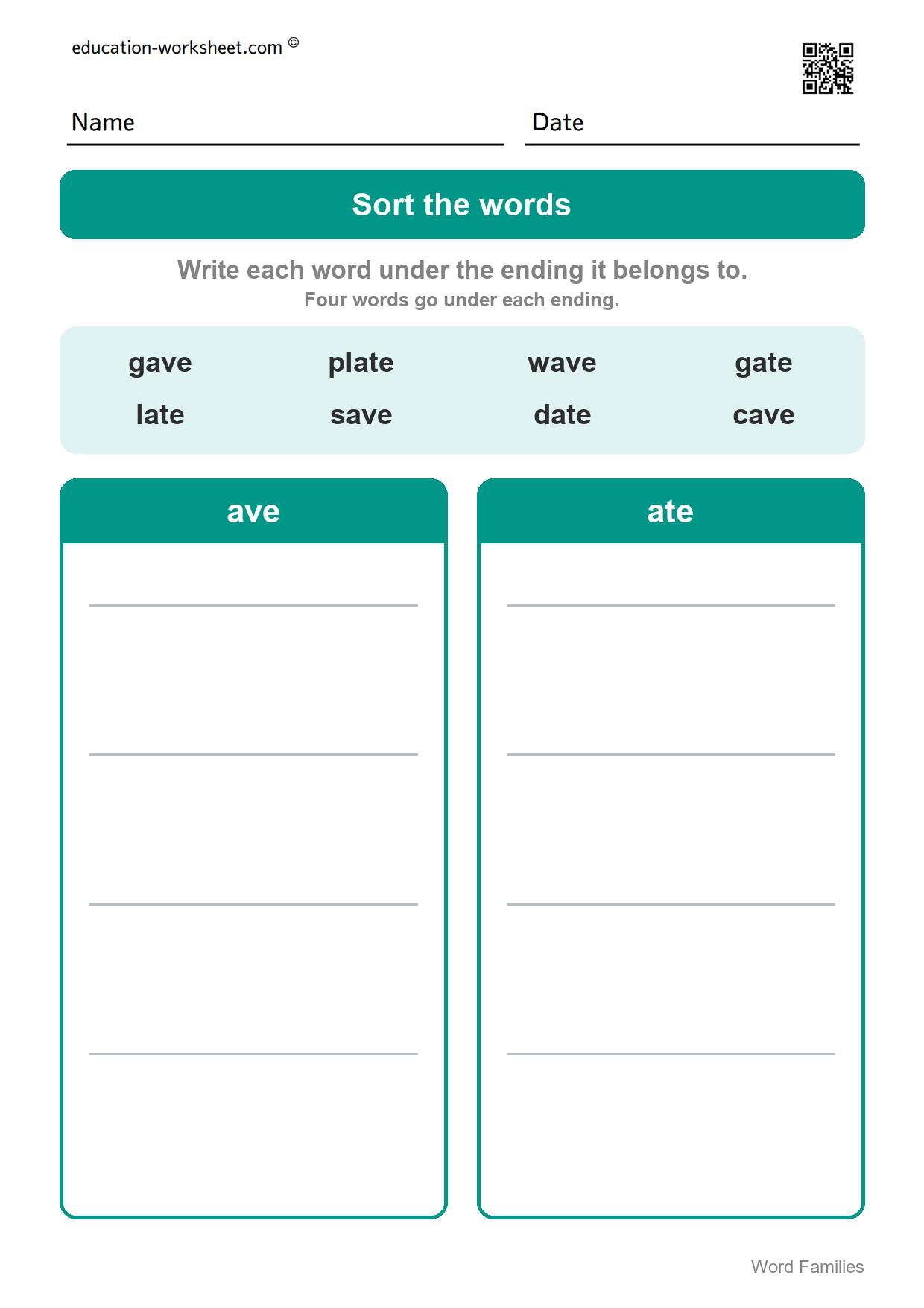
- Sort the words: ave and ate (Set 8)
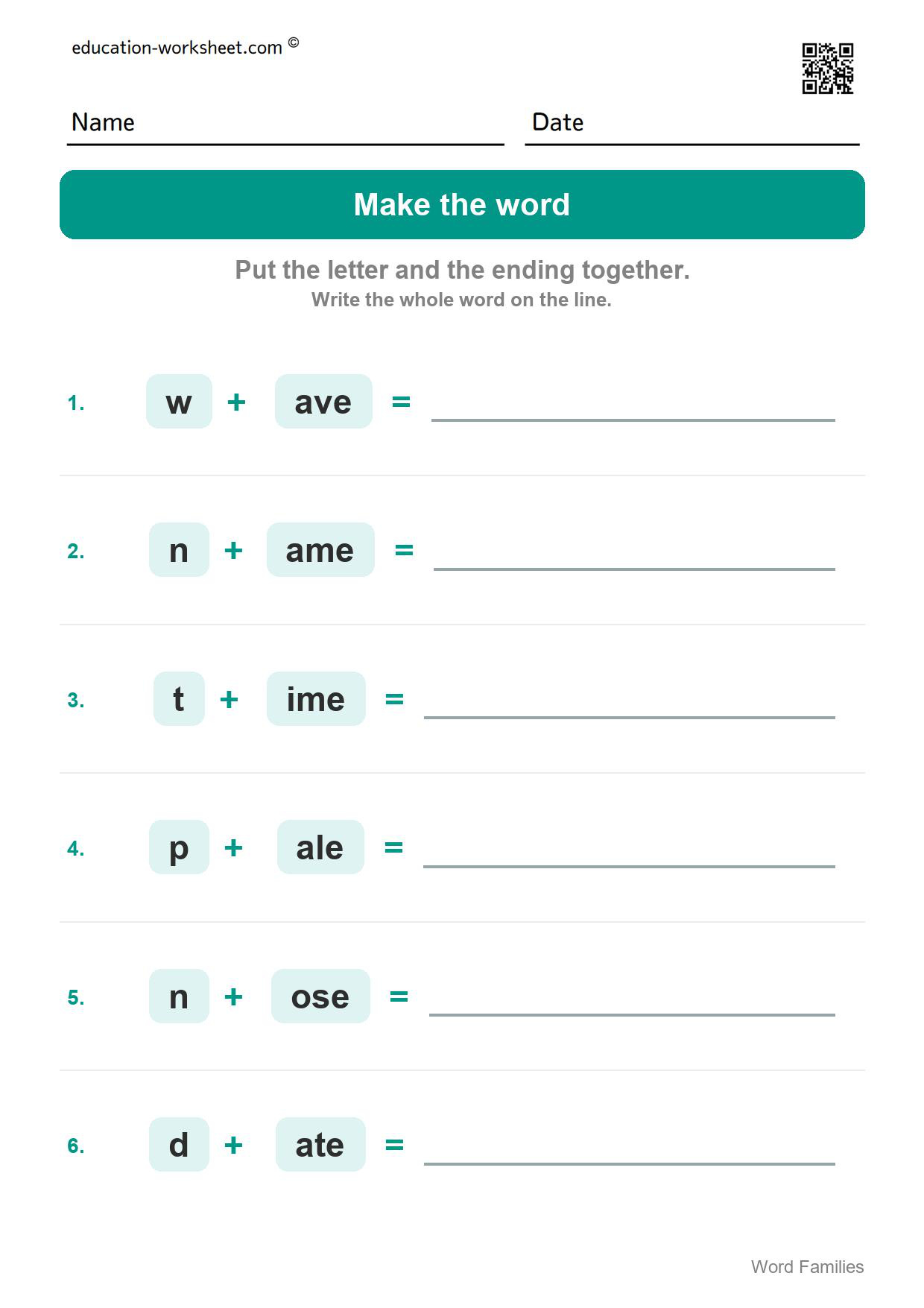
- Make the word (Set 9)
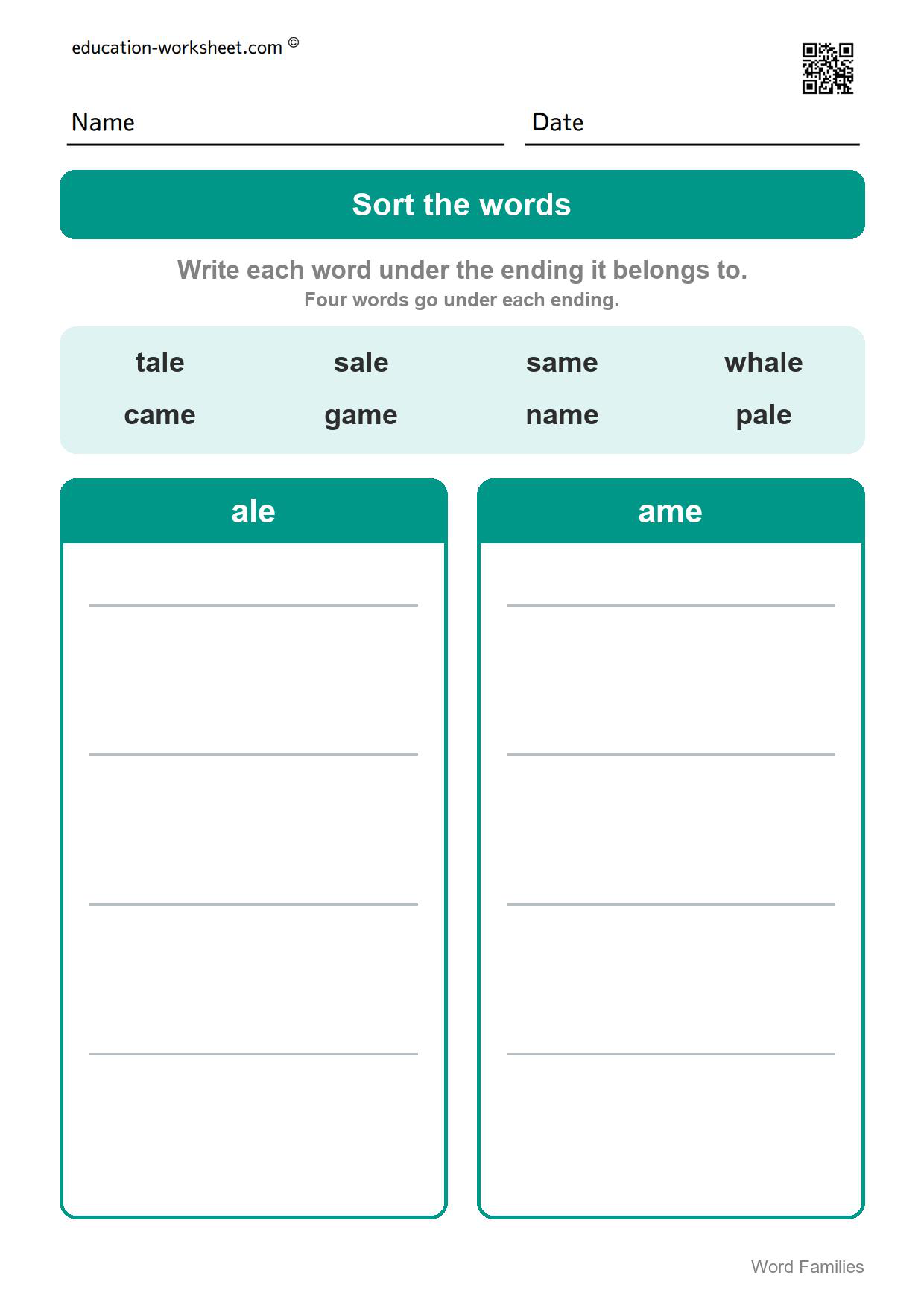
- Sort the words: ale and ame (Set 10)
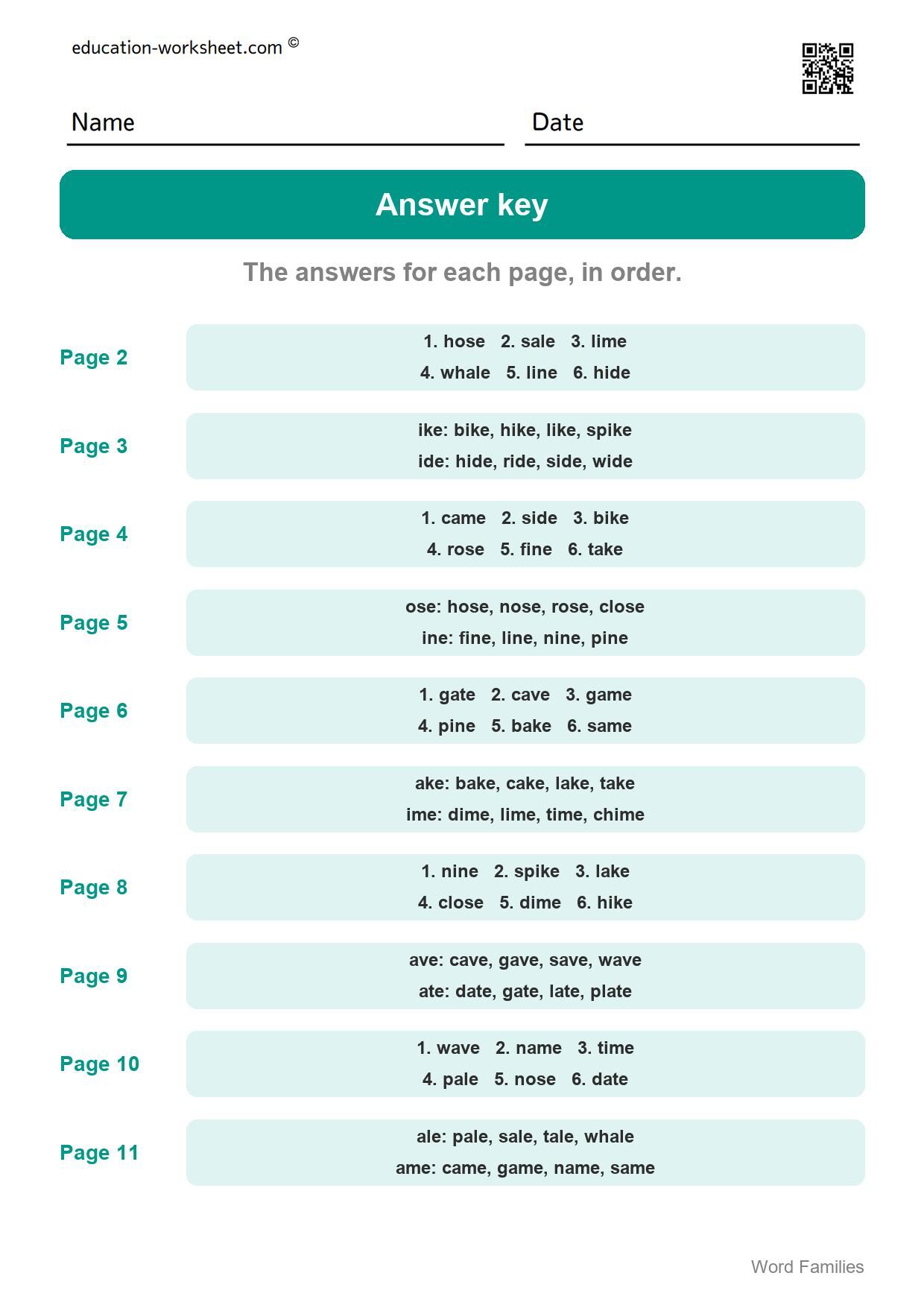
- Answer key – all 10 pages
- Word families with silent e: learning a pattern instead of a word list
Free Word Family Worksheets for Kindergarten – Silent e Families
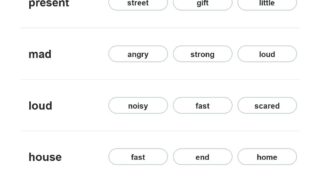
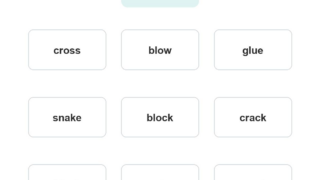
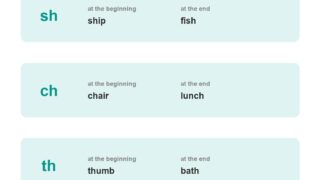
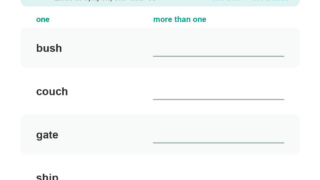
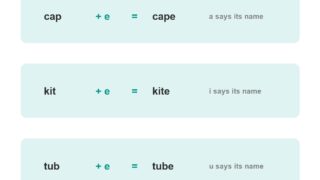
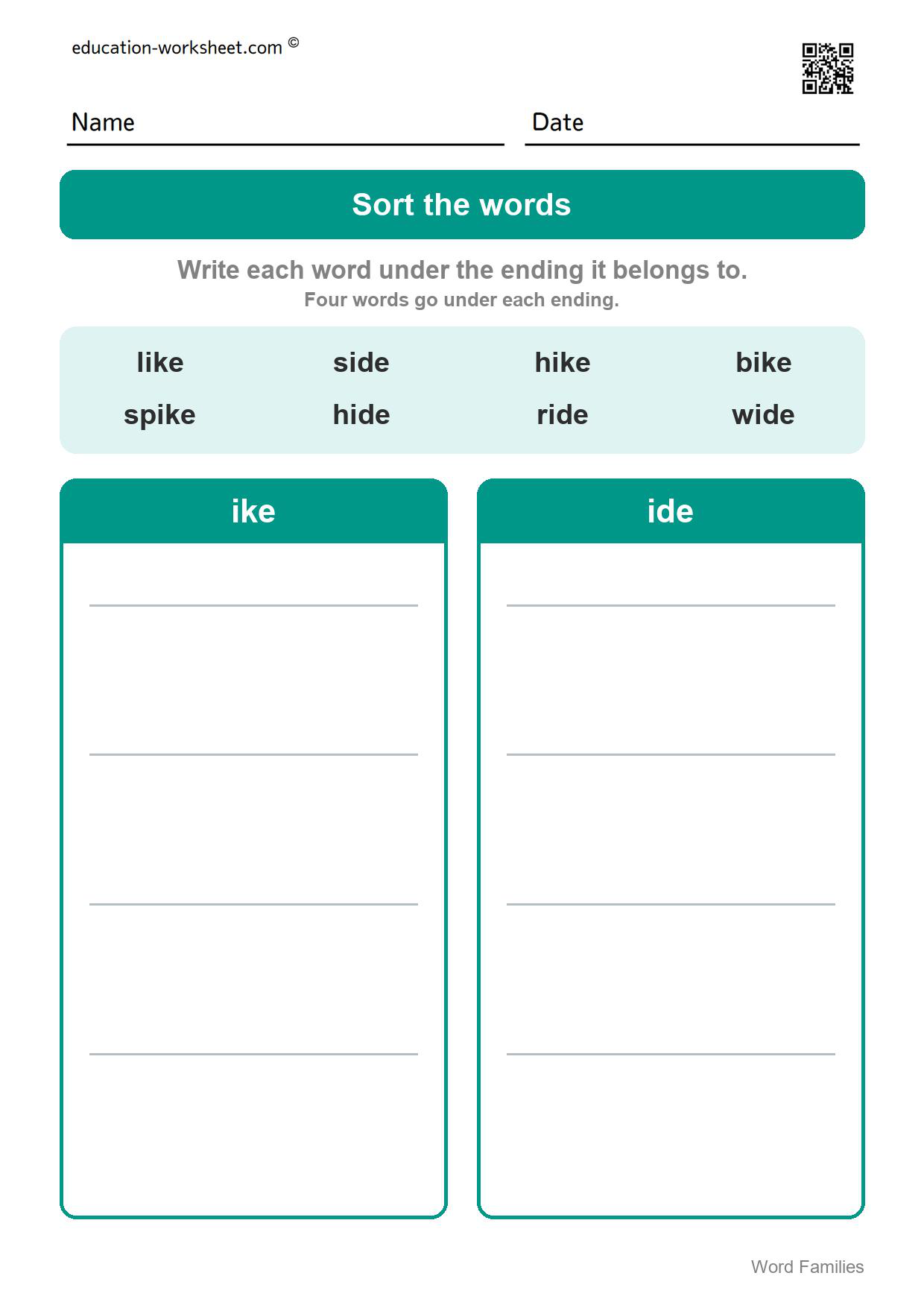
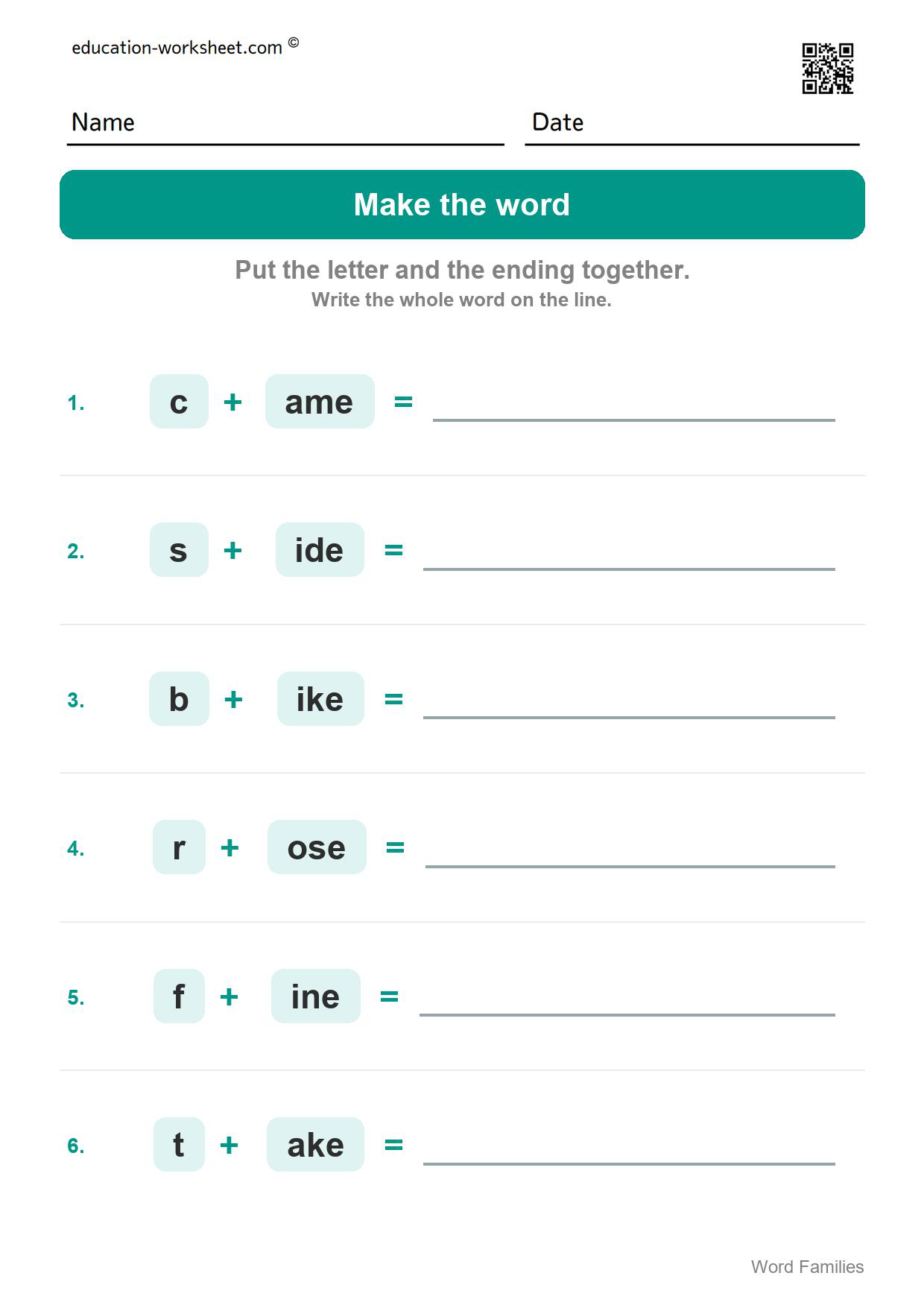
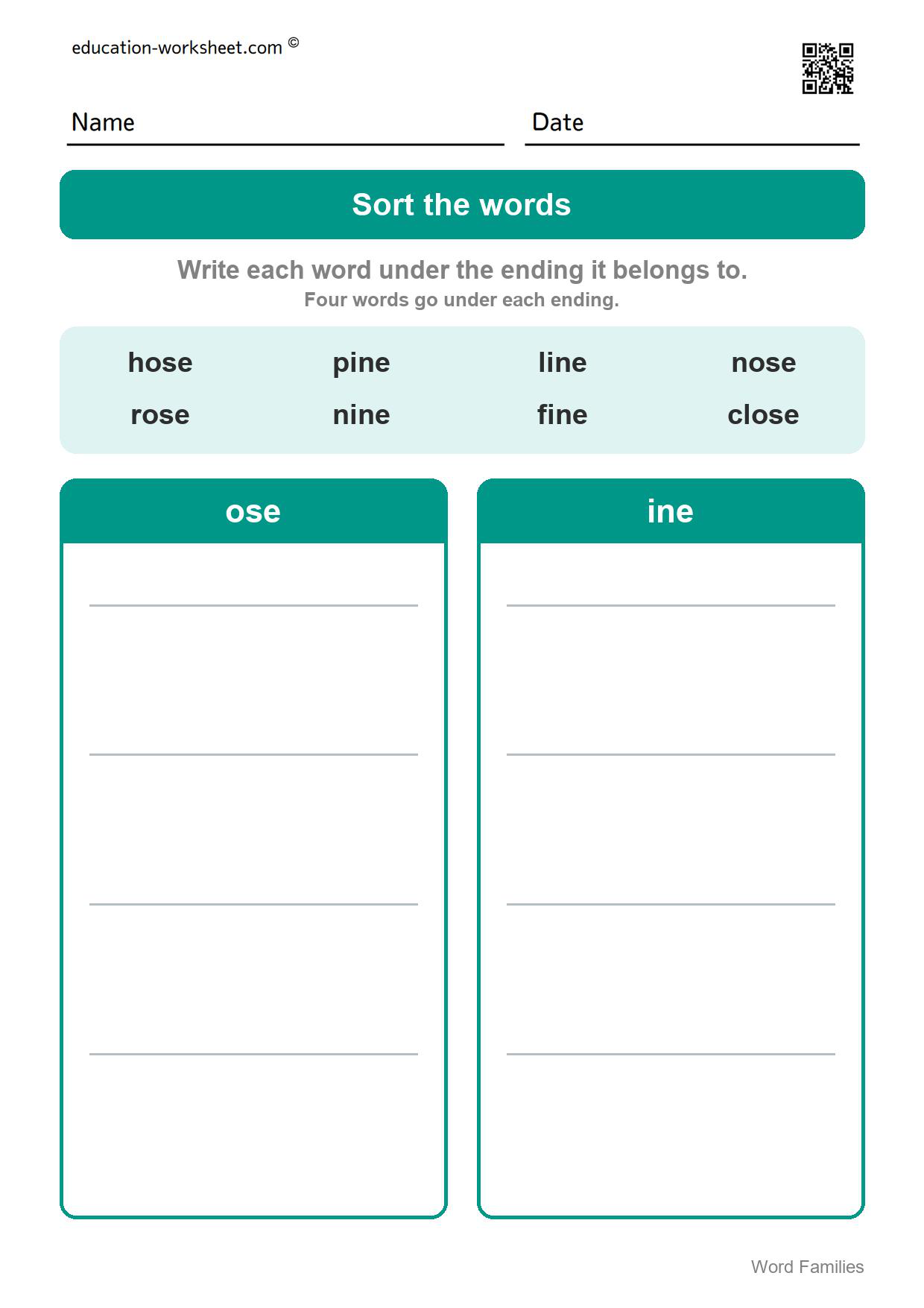
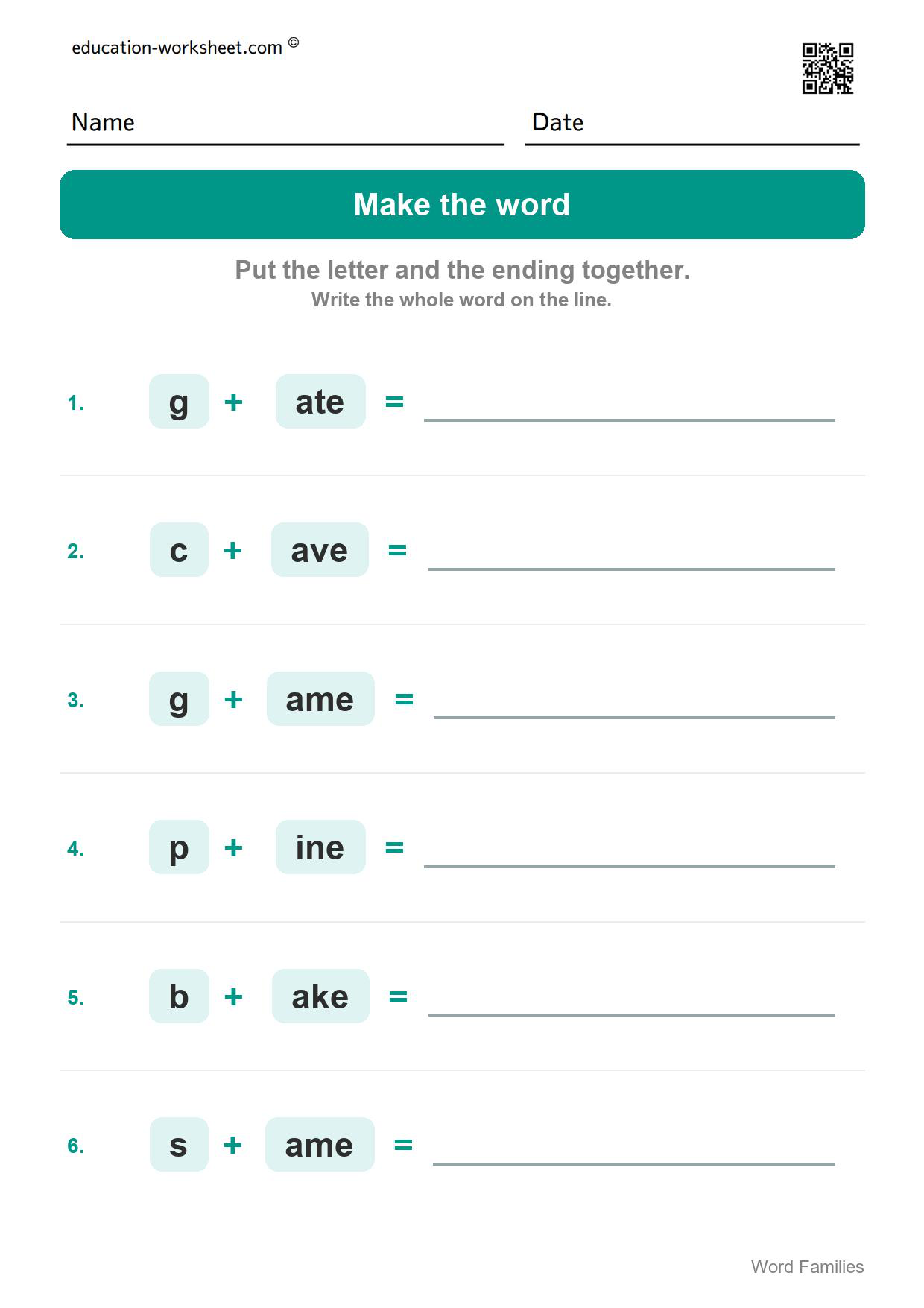
These free printable word family worksheets carry on from our first set, which used short vowel endings such as at, an and ig. This time the endings all have a silent e on the end, like ake, ine and ide, so the vowel says its own name. Learning words in families is one of the fastest ways to grow reading, because a child who can read cake can read bake, lake and take almost straight away. The pages alternate between two jobs: on half of them children join a letter to an ending and write the whole word, and on the other half they sort eight words into two ending boxes, which makes them look at the end of the word rather than the start. The ten families used are ake, ame, ine, ide, ale, ate, ave, ime, ose and ike, and every word is one children already say. The last page is an answer key. Just download, print, and read!
How word families work
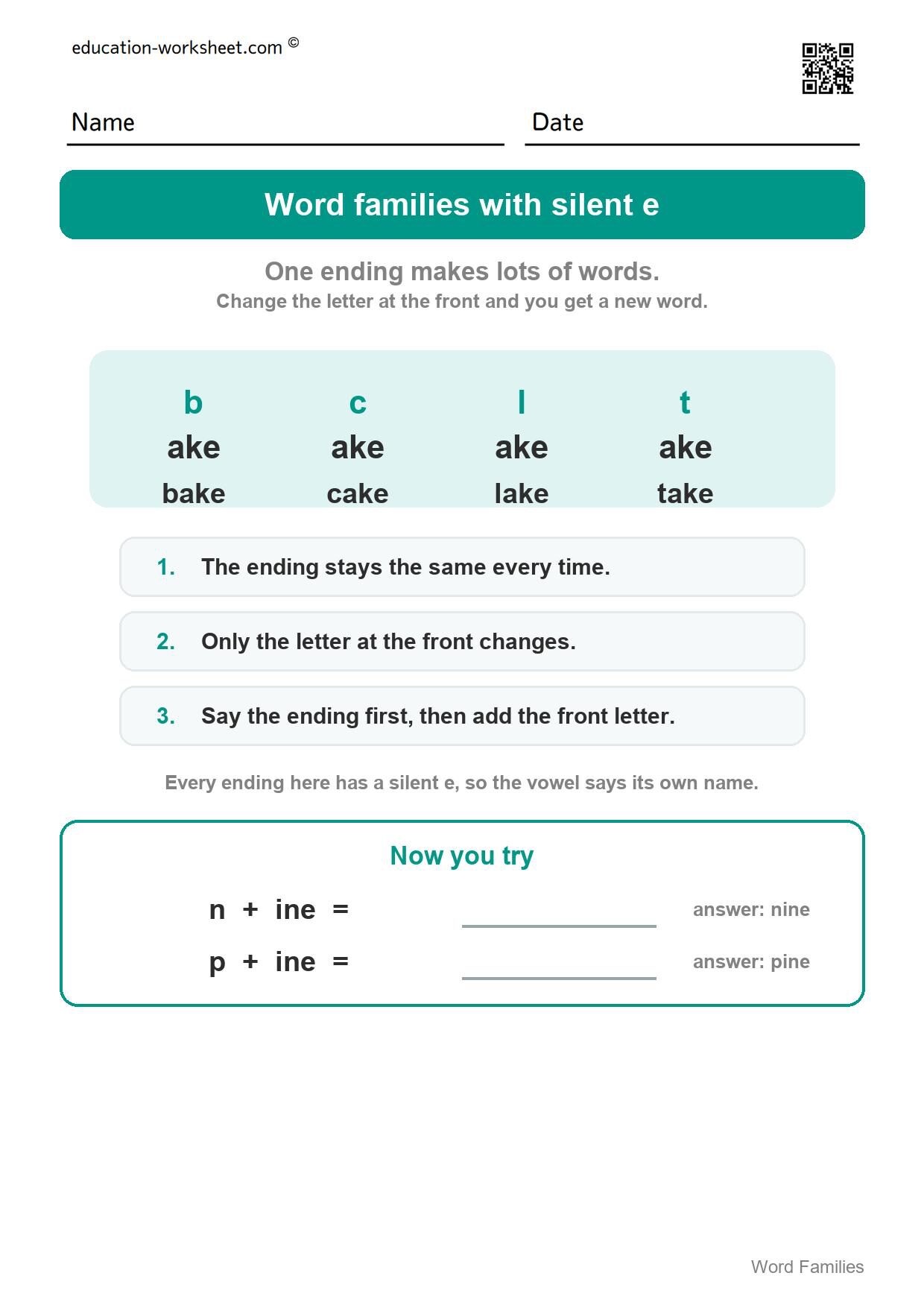
Make the word (Set 1)
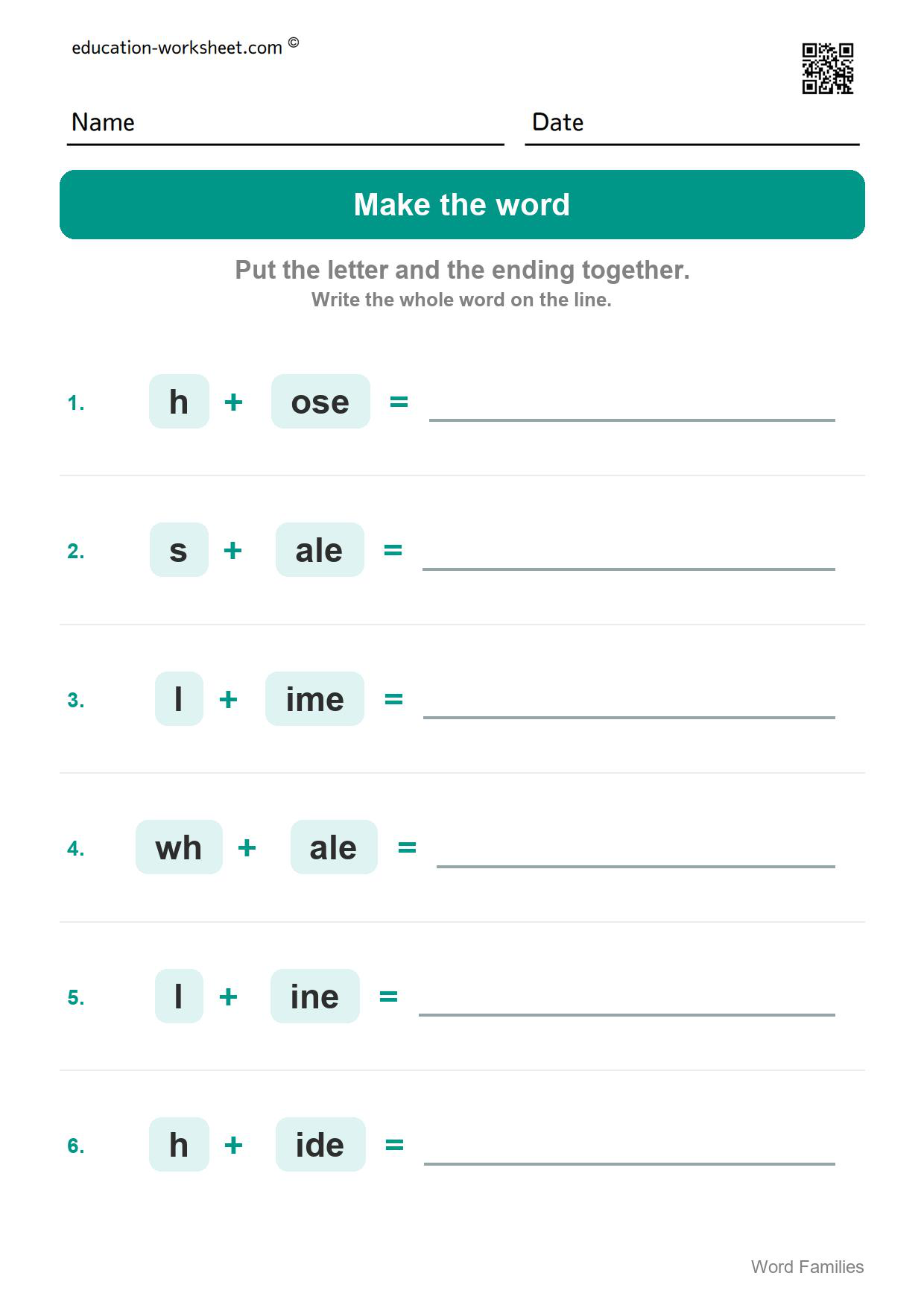
Sort the words: ike and ide (Set 2)
Make the word (Set 3)
Sort the words: ose and ine (Set 4)
Make the word (Set 5)
Sort the words: ake and ime (Set 6)
Make the word (Set 7)
Sort the words: ave and ate (Set 8)
Make the word (Set 9)
Sort the words: ale and ame (Set 10)
Answer key – all 10 pages
Word families with silent e: learning a pattern instead of a word list
A word family is a group of words that share the same ending, such as -ake in cake, lake, make and take. Once a child can read one word in the family, the others cost almost nothing, because only the first sound changes. This is the point at which reading starts to speed up, and it is worth saying to your child directly: you have not learned four words, you have learned one ending.
What your child is actually learning
These pages take the silent e rule your child already knows and organise it into families, so the rule gets applied dozens of times without dozens of separate explanations. Working in families also builds the habit of looking at the end of a word, not just the beginning. Beginning readers are strongly front-focused, guessing from the first letter, and that habit becomes a real problem later. Family work trains the eye to take in the whole word.
How to work through these pages
Read each family aloud from top to bottom so your child hears the rhyme, then read them out of order so they cannot chant from memory. Once a family is comfortable, invent a nonsense word together in the same family — zake, vope — and ask your child to read it. It sounds like a game, but it is the strongest test there is, because a nonsense word cannot be recognised from memory. A child who reads zake correctly has genuinely learned the pattern.
The mistakes to expect
- Chanting the family rather than reading it. If the words are always in the same order, a child can recite the page without looking at it. Shuffle the order.
- Getting the family right but the first sound wrong, especially with blends: sake read for snake.
- Not transferring the pattern to a new word met elsewhere. If this happens, go back to reading the family aloud together rather than adding more families.
- Confusing families that look similar, such as -ake and -ike. Teach them in separate sessions rather than side by side.
What to teach next
If silent e is now secure across several families, vowel teams are the next unit, and they are noticeably harder because the same sound can be spelled more than one way. Children who have done plenty of family work usually cope better, because they are already used to looking at groups of letters rather than single letters.
Questions parents ask
Are word families the same as rhyming?
They overlap but are not identical. Rhyming is about sound only, so make and break rhyme. A word family shares the spelling as well, which is what makes it useful for reading and writing rather than just for listening.
How many families should we do in a week?
One or two, practised until they are easy, beats five half-learned. The goal is fluency with the pattern, not coverage of a list.
My child reads these fine but still struggles with a reading book. Why?
A worksheet gives one pattern at a time; a book mixes everything and adds sight words, punctuation and meaning. That gap is normal. Keep doing both, and read the book together rather than leaving your child to it alone.