
- Free Silent e Worksheets for Kindergarten – Magic e Long Vowels
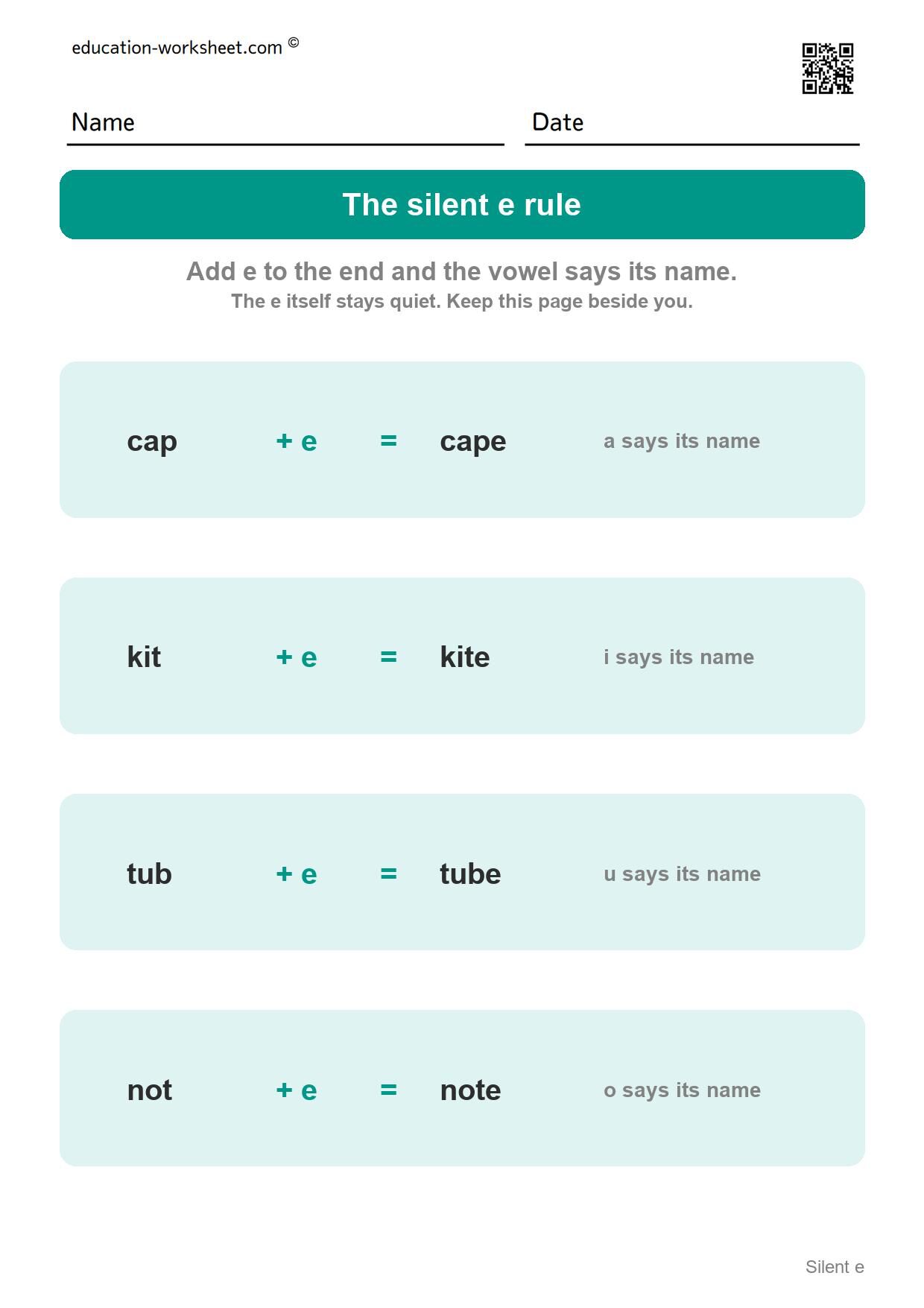
- Silent e chart – how the rule works
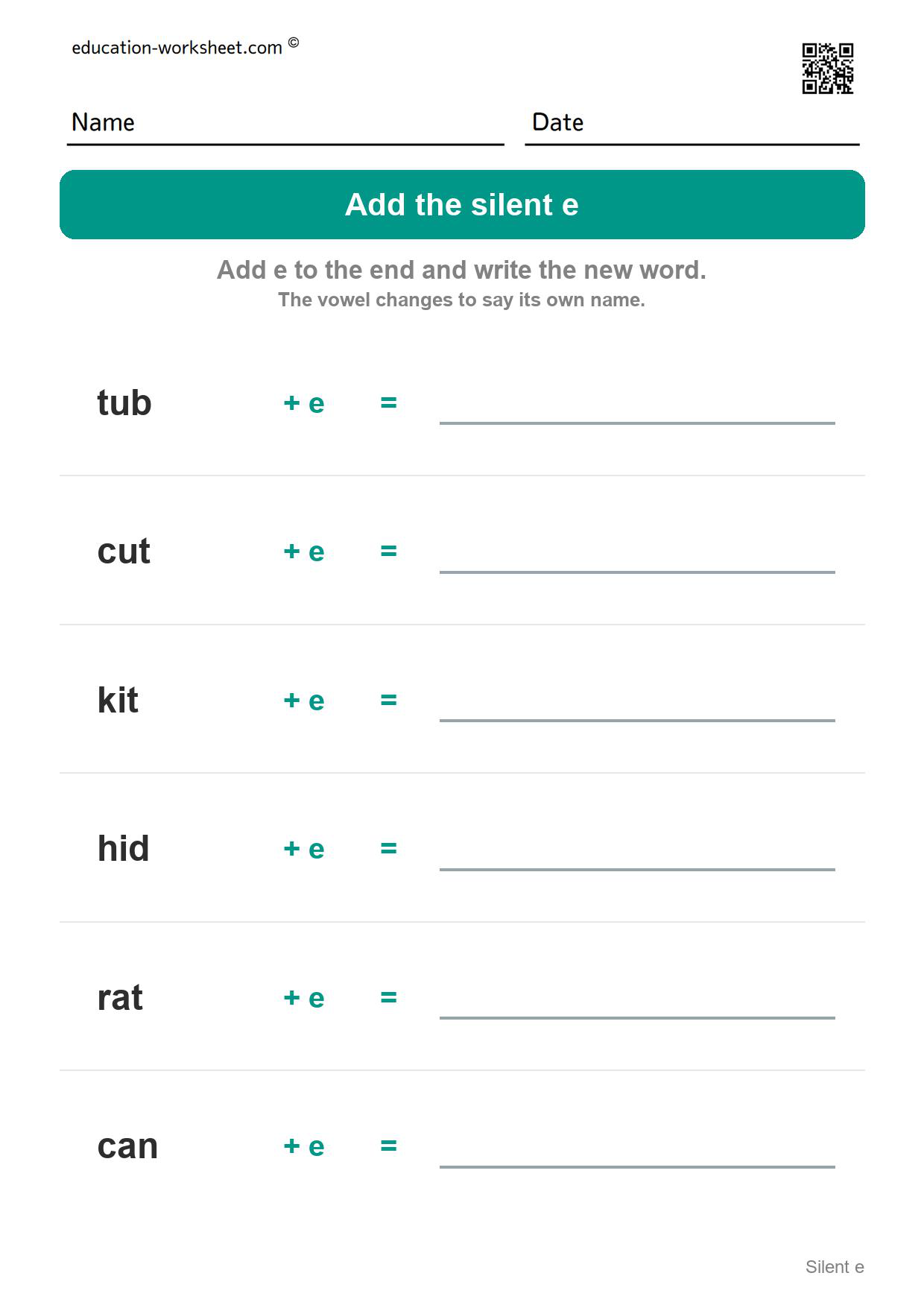
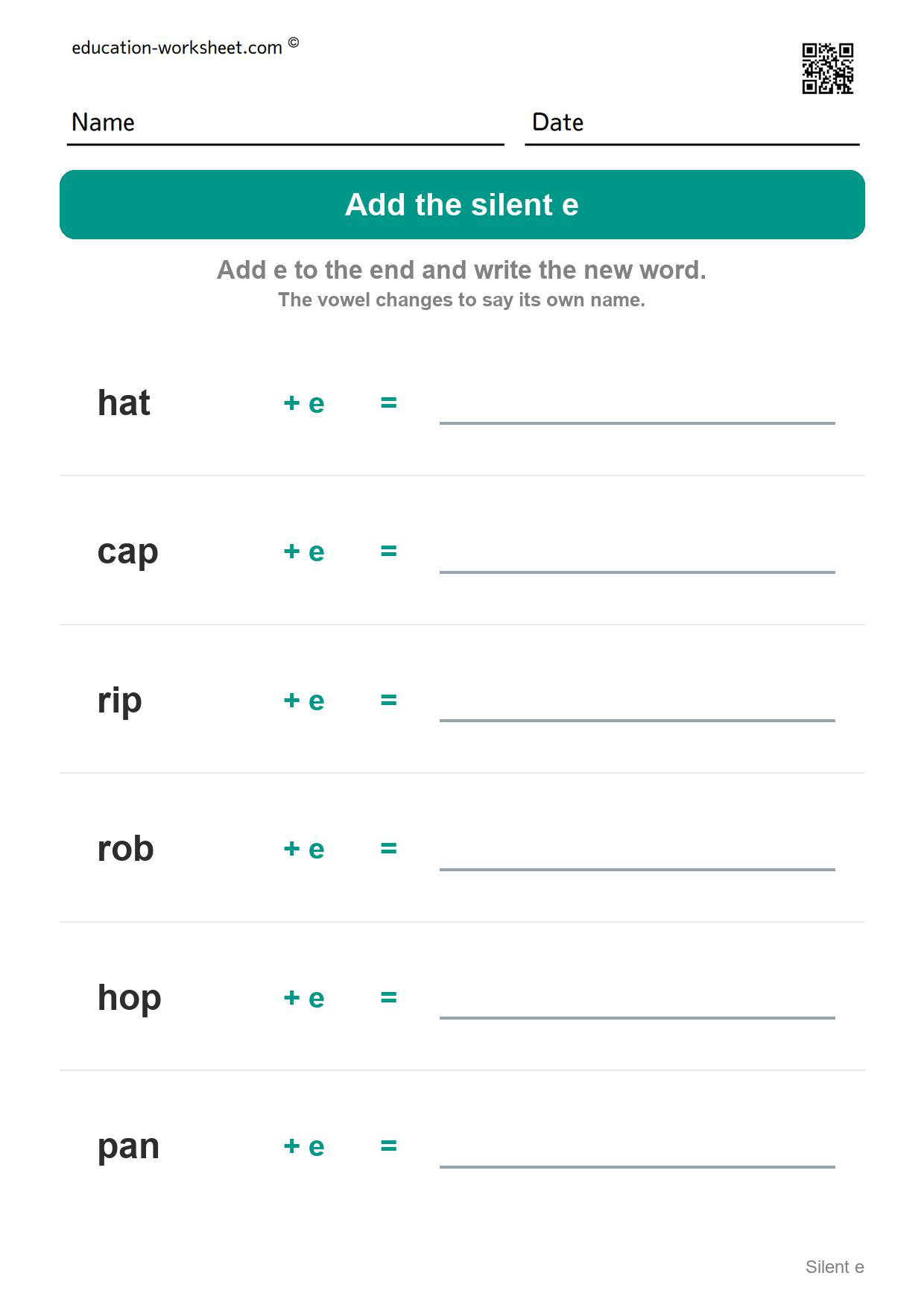
- Add the silent e (Set 1)
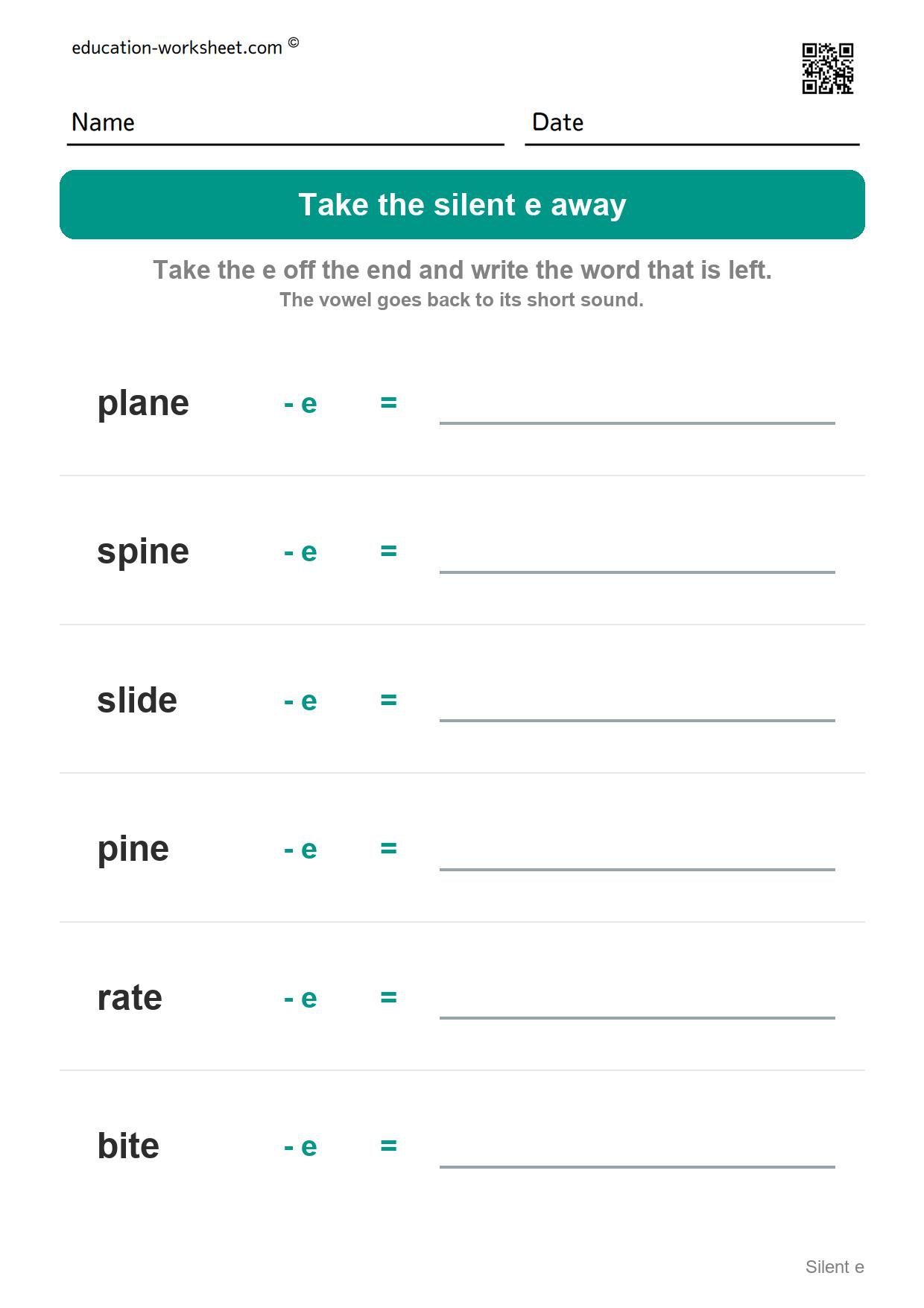
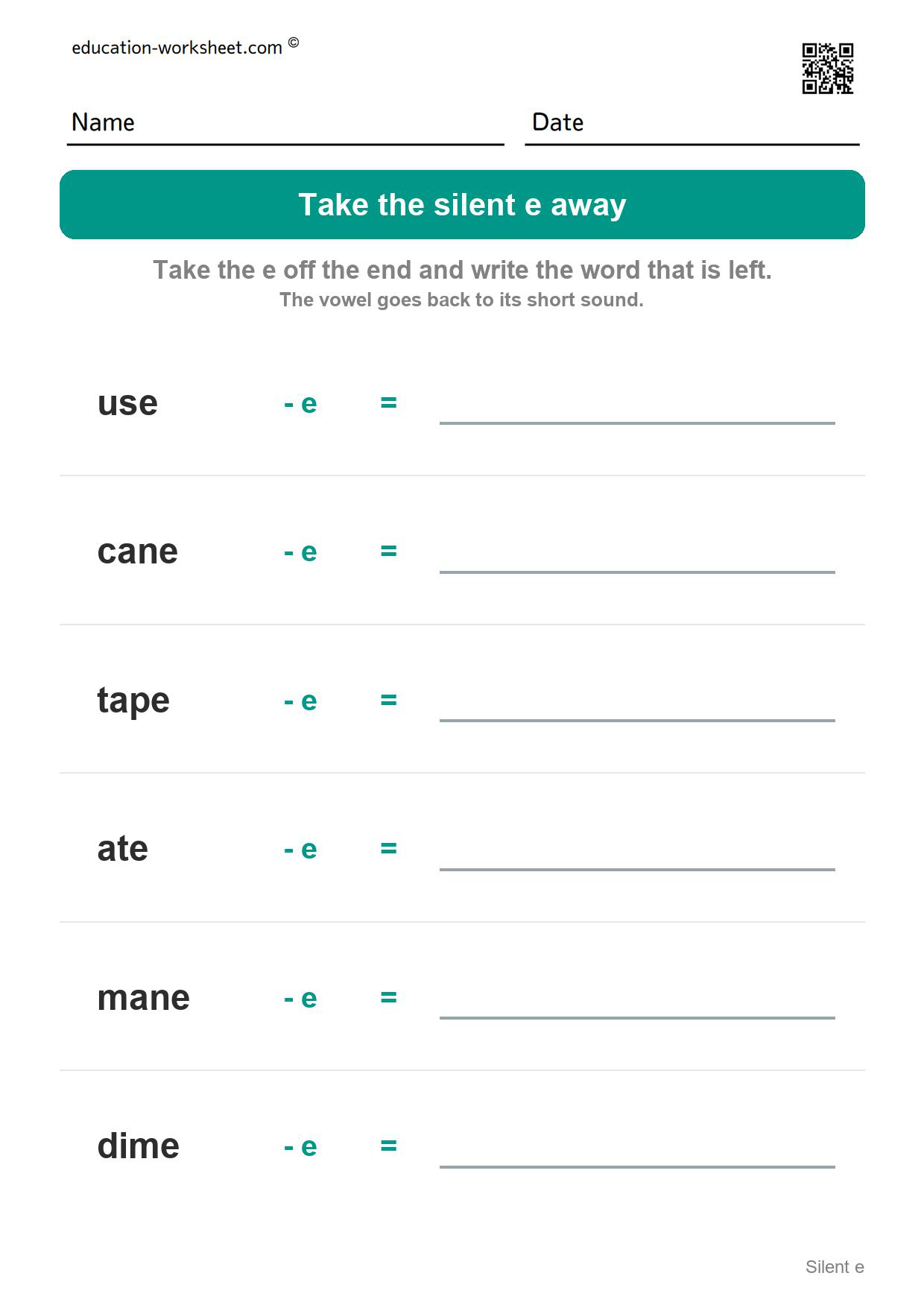
- Take the silent e away (Set 2)
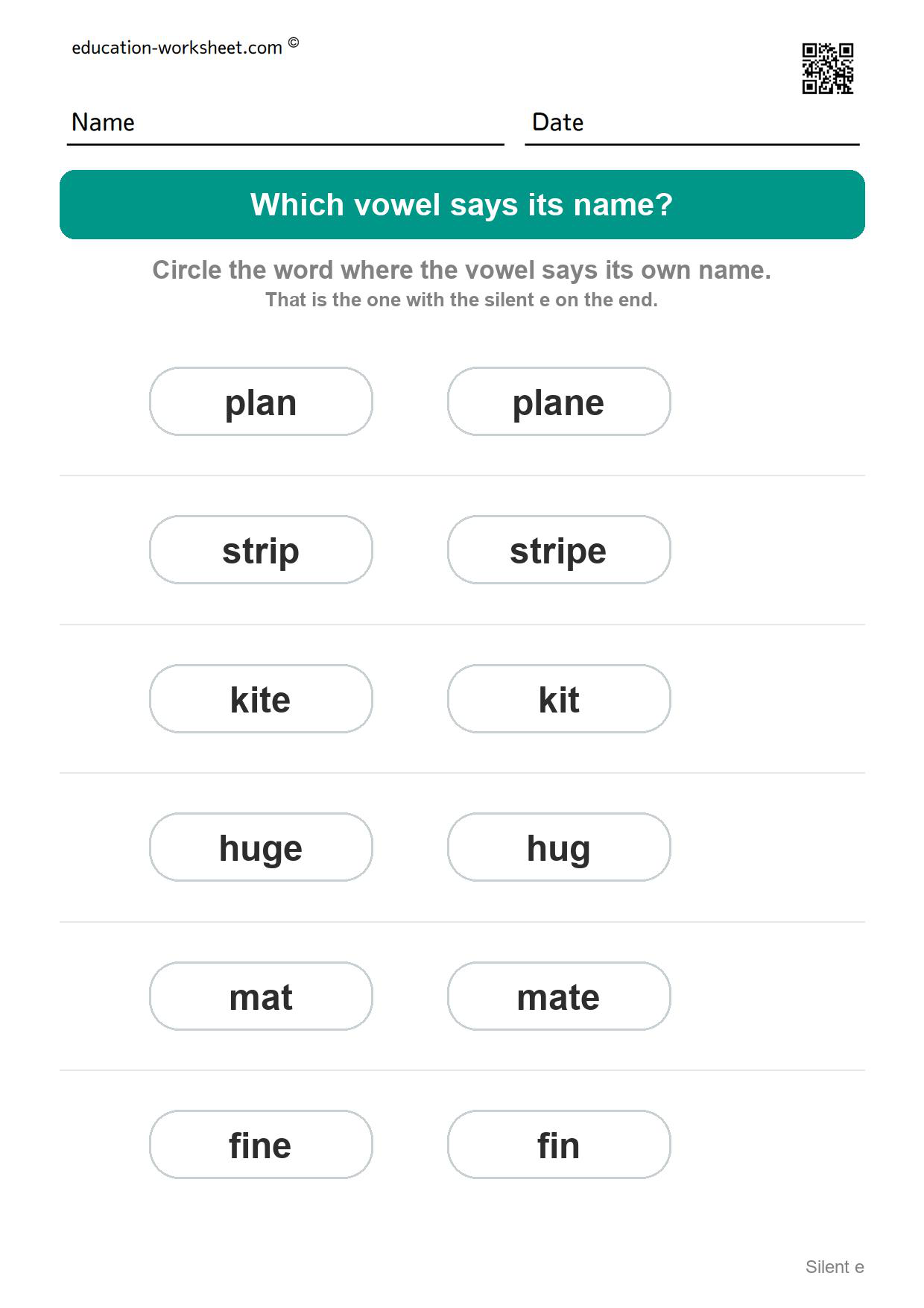
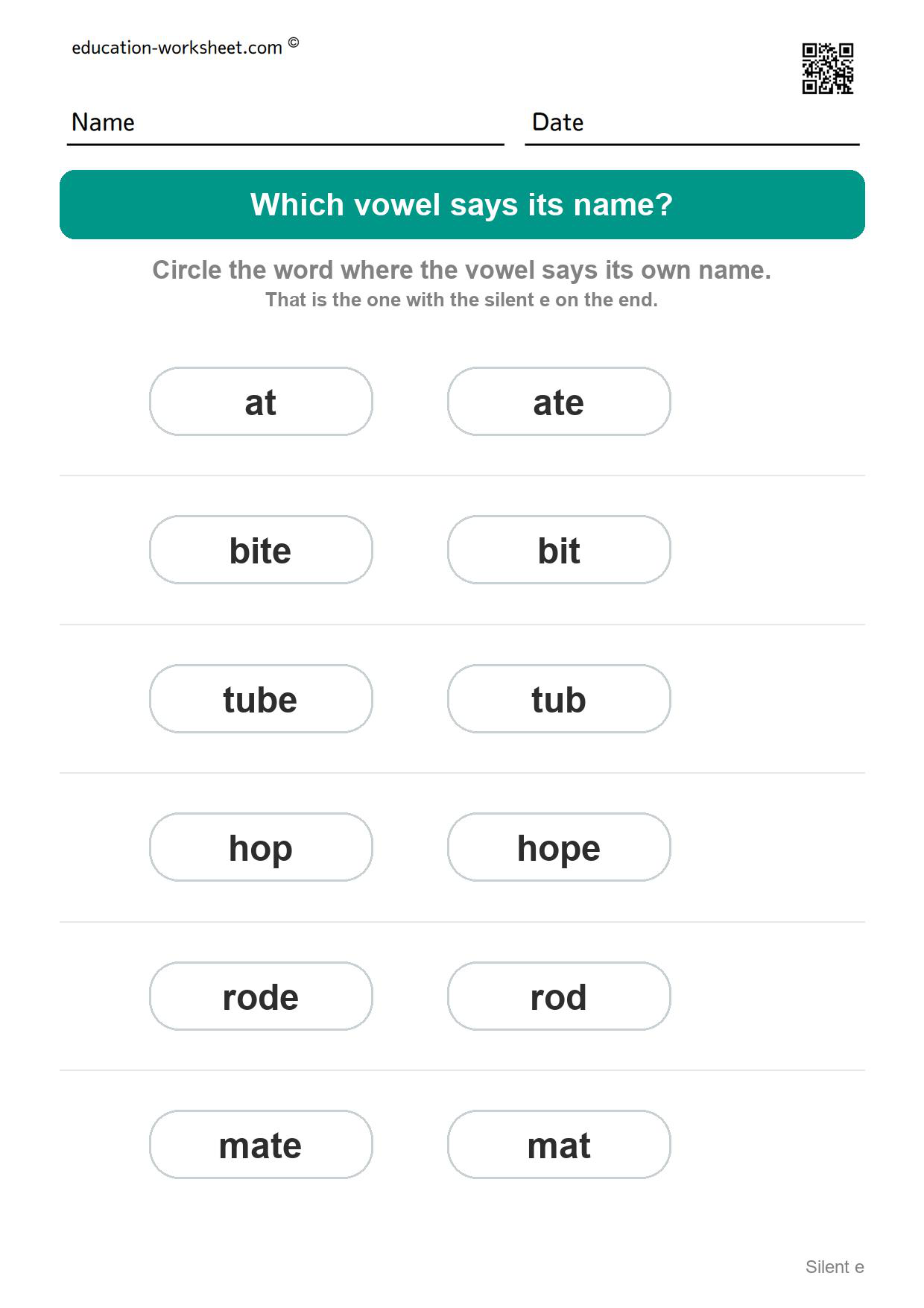
- Which vowel says its name? (Set 3)
- Add the silent e (Set 4)
- Take the silent e away (Set 5)
- Which vowel says its name? (Set 6)
- Add the silent e (Set 7)
- Take the silent e away (Set 8)
- Which vowel says its name? (Set 9)
- Add the silent e (Set 10)
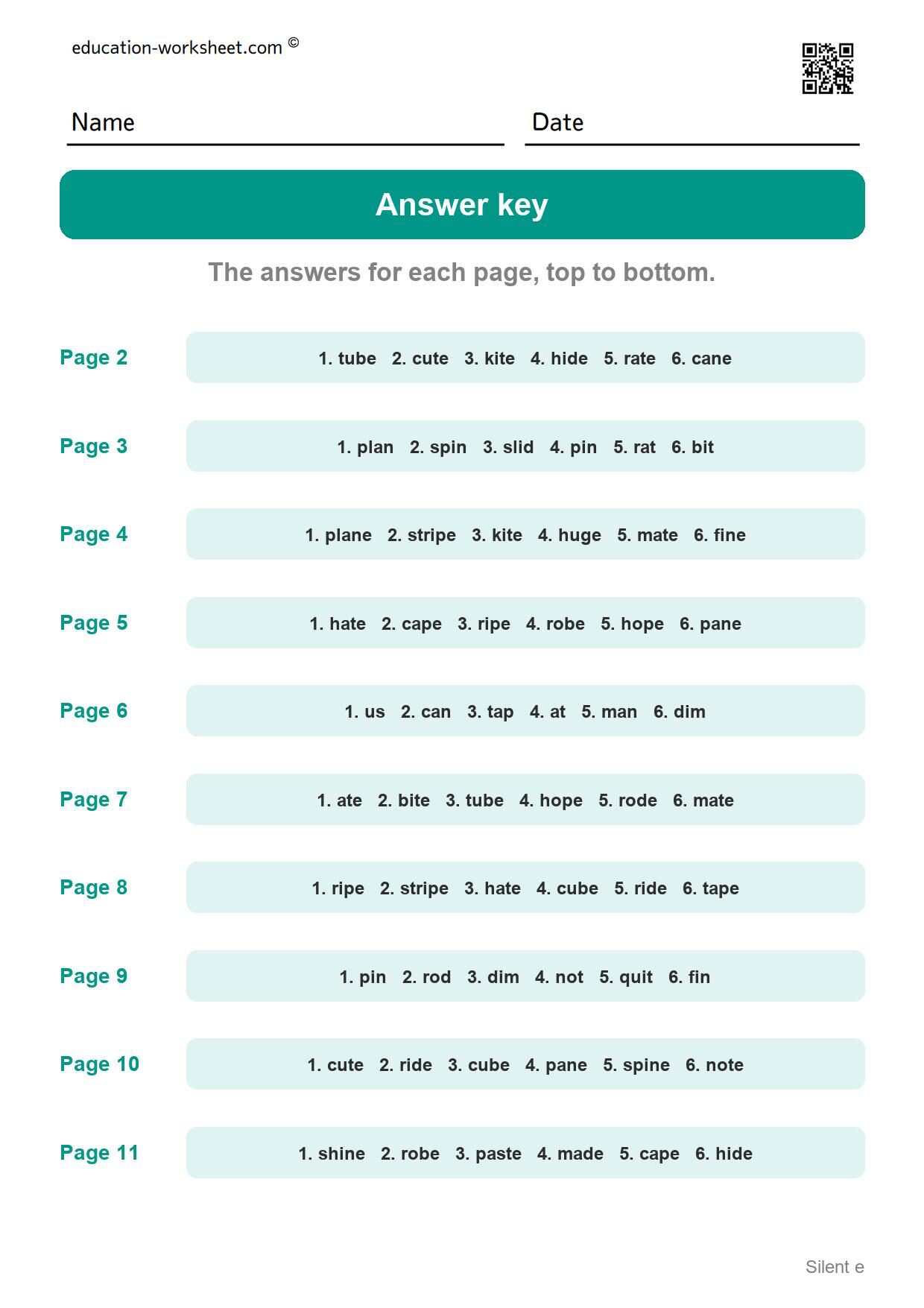
- Answer key – all 10 pages
- Teaching silent e: the letter that changes a word without making a sound
Free Silent e Worksheets for Kindergarten – Magic e Long Vowels
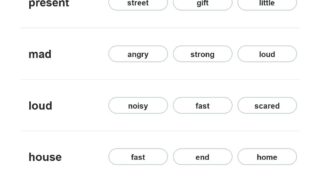
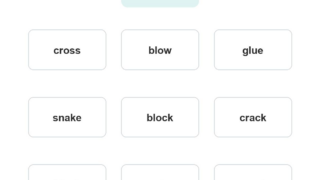
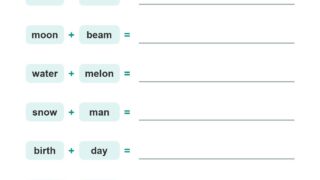
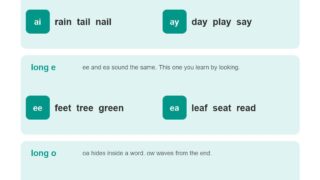
These free printable silent e worksheets, sometimes called magic e, show kindergarten and first grade children how one letter changes a whole word. Adding e to the end of cap makes cape, and the a stops saying its short sound and says its own name instead, while the e itself stays quiet. The first page explains the rule with examples for a, i, u and o. The ten worksheet pages then ask three different things so children are not repeating one task: add the e and write the new word, take the e away and write the word that is left, and circle the word where the vowel says its name. Taking the e away is the part that shows whether a child has really understood the rule rather than just copying. Every pair uses two real words that children already know, so there is always one right answer. The last page is an answer key. Just download, print, and read!
Silent e chart – how the rule works
Add the silent e (Set 1)
Take the silent e away (Set 2)
Which vowel says its name? (Set 3)
Add the silent e (Set 4)
Take the silent e away (Set 5)
Which vowel says its name? (Set 6)
Add the silent e (Set 7)
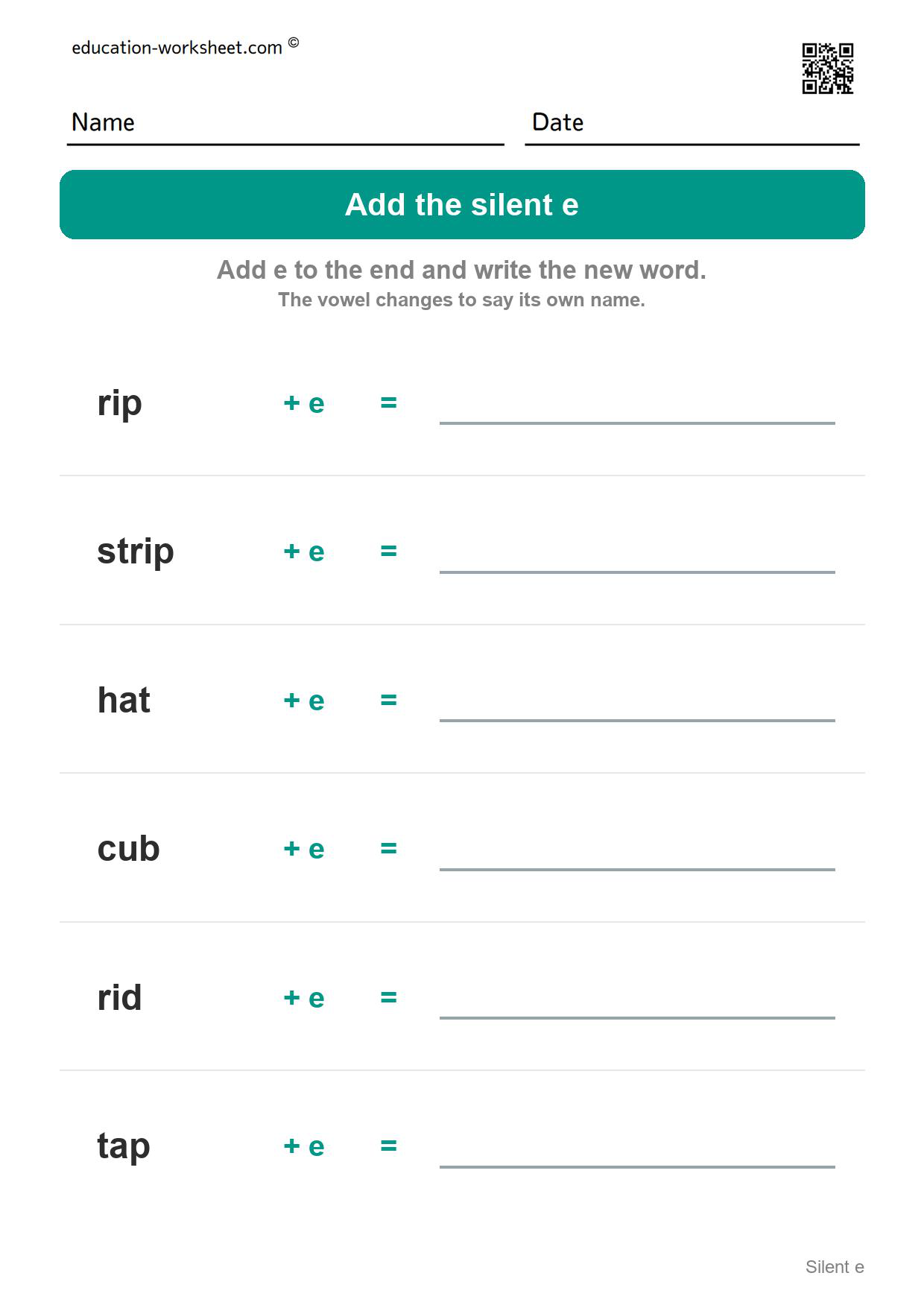
Take the silent e away (Set 8)
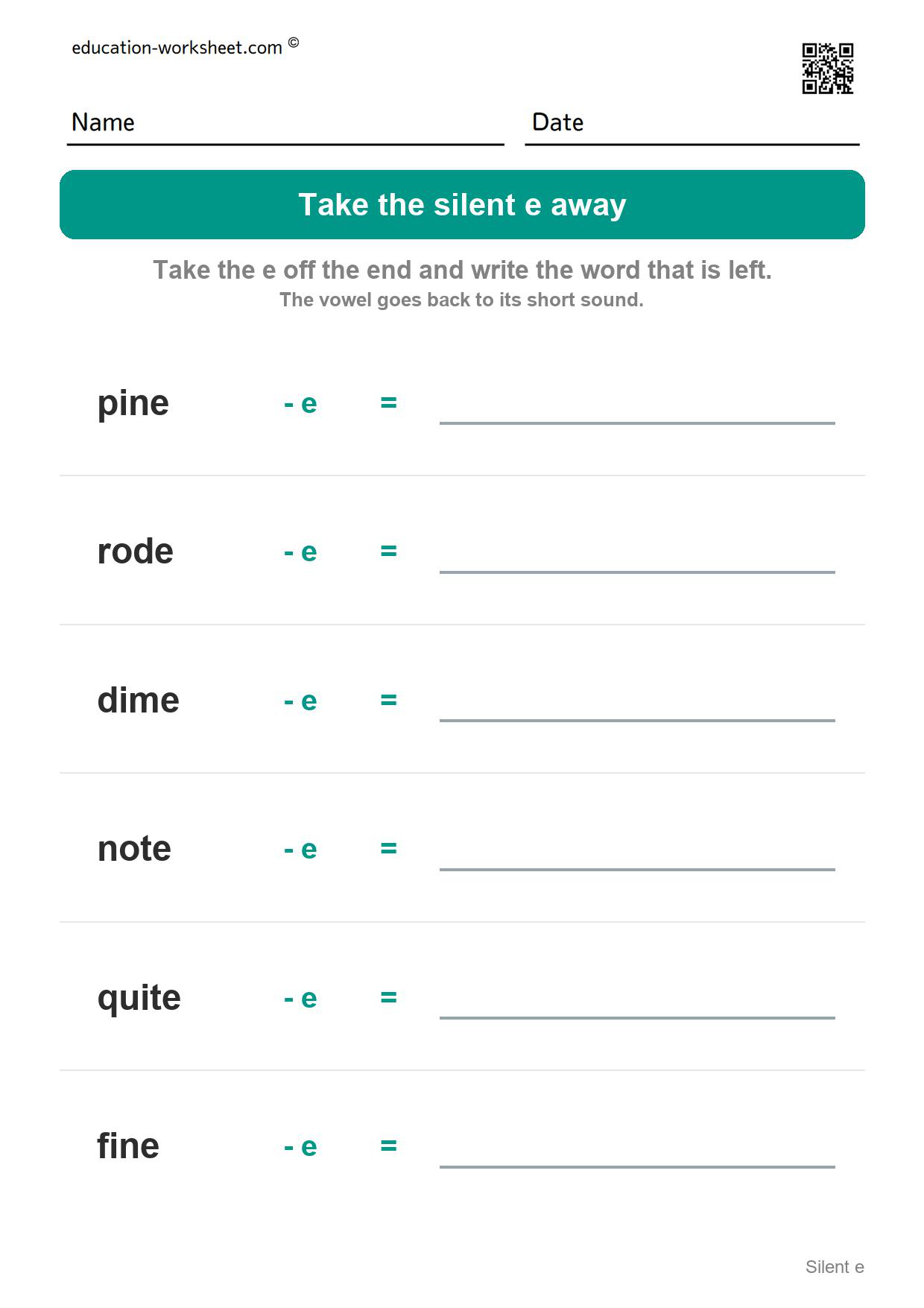
Which vowel says its name? (Set 9)
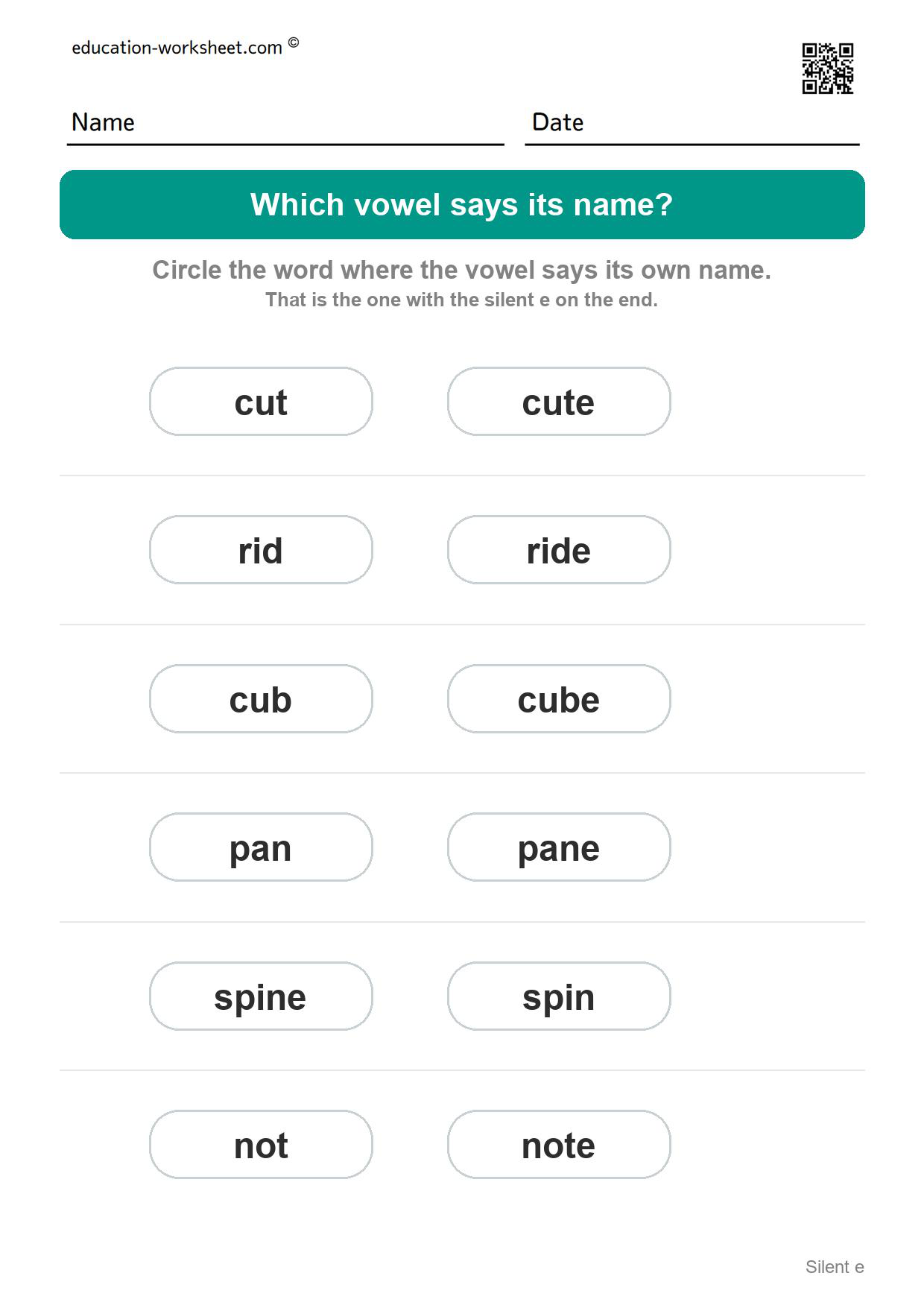
Add the silent e (Set 10)
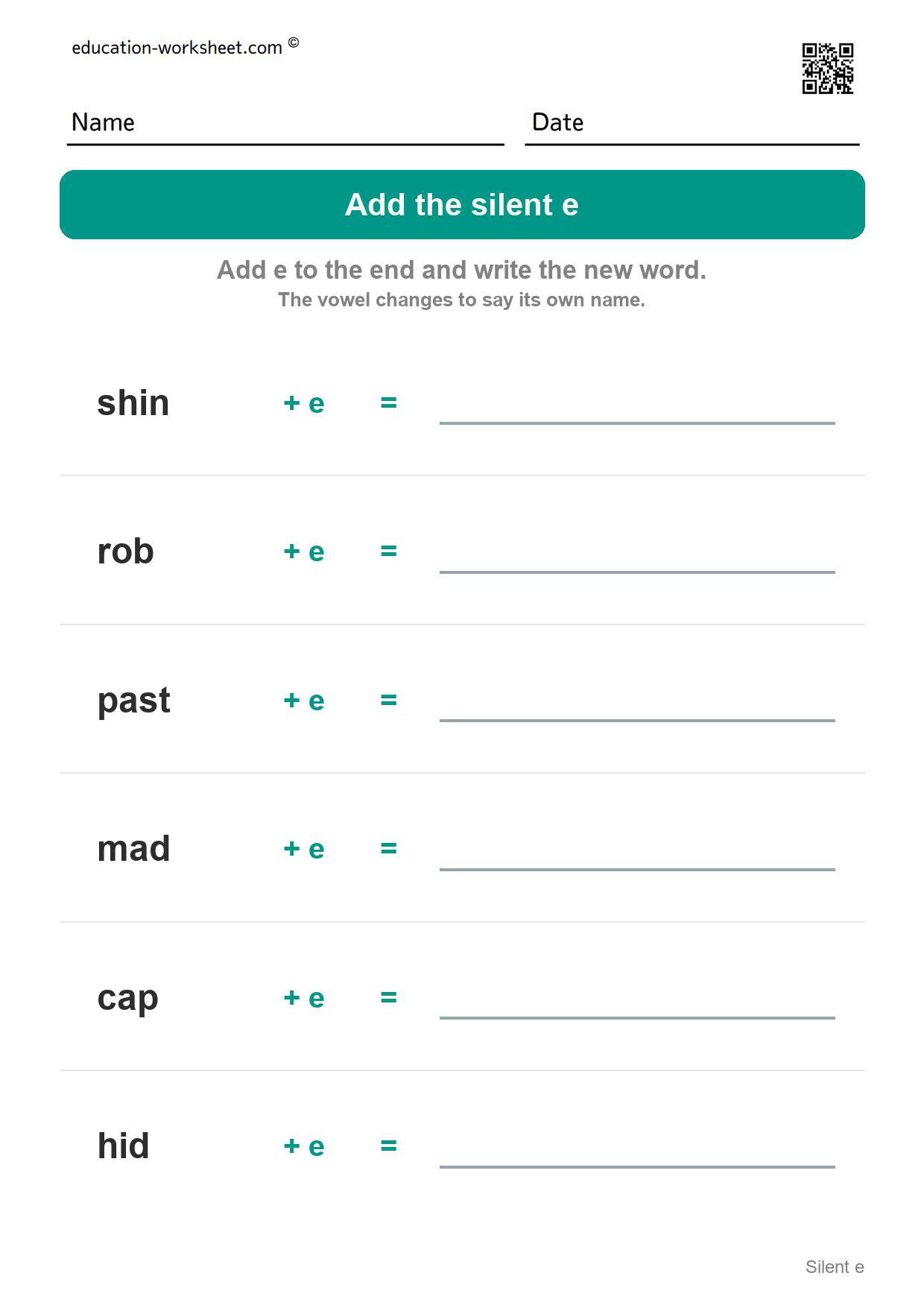
Answer key – all 10 pages
Teaching silent e: the letter that changes a word without making a sound
Silent e is the first spelling rule most children meet where a letter does a job without being heard. The e on the end of cape says nothing at all, yet it reaches back over the p and tells the a to say its own name. Children find this genuinely strange, and it helps to admit that it is strange rather than presenting it as obvious.
What your child is actually learning
The standard for first grade phonics names two ways of writing long vowel sounds, and final e is one of them. In practice the rule turns a short vowel into a long one: cap becomes cape, kit becomes kite, hop becomes hope, cub becomes cube. The word pairs are the teaching tool here. A child who reads the pair one after the other hears the change immediately, where a child shown only cape has nothing to compare it with.
How to work through these pages
Read both words of a pair out loud every time, in order, short first. Some teachers call the e bossy, magic or silent; the name does not matter as long as you use one name consistently. A useful physical trick is to have your child cover the final e with a fingertip, read the short word, then lift the finger and read it again. The vowel changing under their own hand does more than any explanation.
The mistakes to expect
- Reading the e out loud: cap-ee. Say plainly that this letter never gets a turn to speak, it only gives orders.
- Reading the vowel short anyway, so cape comes out as cap. The child has seen the e but not connected it to the vowel yet.
- Adding e to words that do not need one, which is very common once the rule lands. Wente and hade appear for a while and then settle down.
- Forgetting to remove the e before adding an ending, giving hopeing. This is second grade work, so do not press it now, but it is worth knowing that it is coming.
What to teach next
Word families built on the same rule are the natural follow-up, because they let a child apply silent e to a whole group of words at once instead of one at a time. After that comes the other half of the standard: vowel teams, where two vowels together make one long sound. Silent e and vowel teams are the pair that between them cover most long vowel spellings a first grader will meet.
Questions parents ask
Why is it called magic e in some books and silent e in others?
They are the same rule. Silent e describes what the letter does not do, and magic e describes what it does to the vowel. Pick whichever name your child’s school uses so you are not teaching two labels for one thing.
Does the rule always work?
Not always. Have, give, come and love all end in e without a long vowel, and they are common enough that children meet them early. Teach them as words to know by sight rather than trying to bend the rule around them.
Should I teach silent e before or after vowel teams?
Before, in almost every case. Silent e has one clear rule that applies over and over, while vowel teams involve several spellings for the same sound. Starting with the tidier rule gives a child something to stand on.